• Hard to Reach Windows

    Motorization

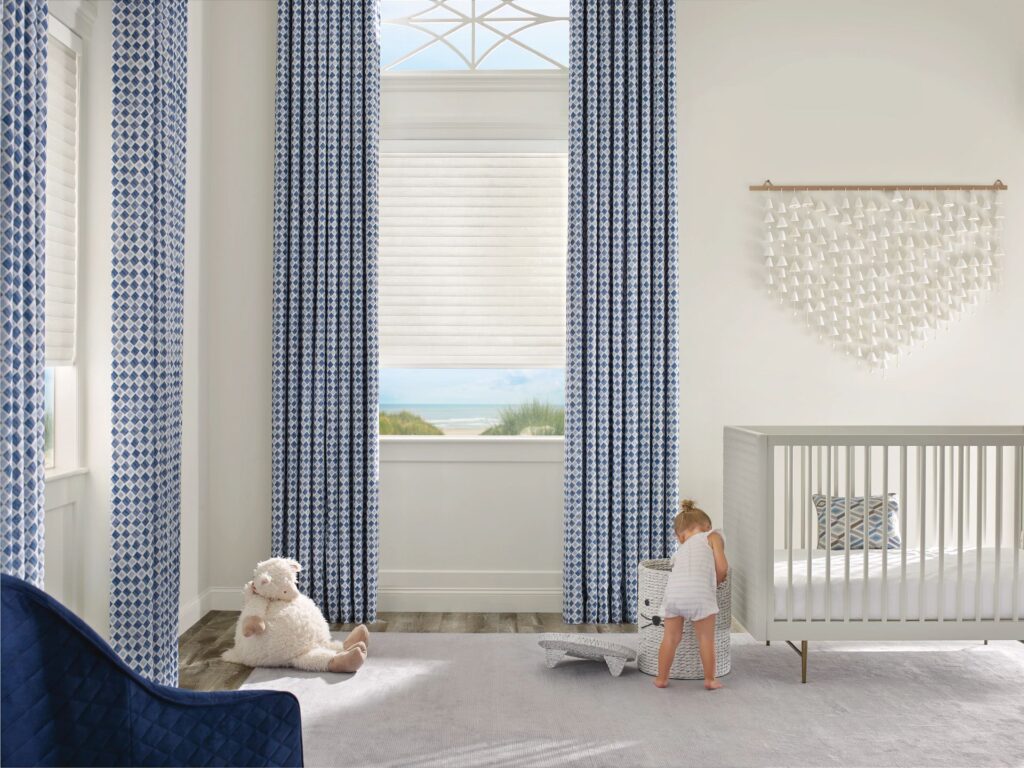
    Motorized window coverings offer convenience, enhanced privacy and security, energy efficiency, and child safety, making them a popular choice for modern homes. They eliminate the need for cords, allowing for smooth and quiet operation, and can be easily controlled with a remote control or wall switch. Motorization is an excellent choice for windows that are difficult to reach because of their height or location.

    Don’t want a remote? Automate!

    In window coverings, motorization simply means using a motor to operate the blinds or shades, typically controlled by a remote or wall switch. Automation, on the other hand, takes it a step further by adding programming and smart features, allowing the window coverings to adjust automatically based on schedules, sensors, or integration with other smart home devices. 

    Automation allows you to set up schedules for your shades, so that shades automatically open and close exactly when you want them to, for everyday convenience.

    Here’s a look at just some of the ways this can work for you:

    1. Swap your alarm for a gentle wake-up by scheduling bedroom shades to open.
    2. Schedule kitchen shades to open while you’re enjoying breakfast.
    3. Schedule all shades throughout your house to close in the evening.
    4. Enhance security by scheduling shades to move at set times, giving your home a lived-in look while you’re away.
    5. In summer or warmer climates, schedule shades to close during the day to keep your house cooler.

    Schedules are created and controlled using the manufactures customized app on your smart phone. Take a look below at the Hunter Douglas PowerView video that explains just how easy this process is!

    How are the blinds powered?

    Once you have decided to choose a motorized blind or shade, you will also need to determine what power source will be the best choice. Battery operated blinds are the most common, both standard or rechargeable batteries are available. Another option is a plug in low voltage transformer. Based on your window covering needs our designers can help determine which power source will work the best for your particular situation.

    Homeowners in the building stage have a unique advantage to wire their homes for window coverings, allowing the blinds and shades to run off of low voltage wiring. Wiring the window coverings provides a reliable power supply. You’ll never have to worry about replacing batteries, as hardwired blinds draw power directly from your home’s electrical system. 

    Superblinds is known for our expertise in wiring for window coverings. We work with well established brands such as Lutron and Hunter Douglas who provide quiet, top quality motorized products. We can guide you through the process and work with your electrician to the projects completion. Call us or visit our showroom for more information.

    Battery-wands

    Image 1 of 4

    Standard battery wands use lithium batteries. A more environmentally friendly option is a rechargeable battery wand. In both cases the battery wand is generally attached to the back of the shade headrail. If the window is accessible the wand can be easily removed to either replace the batteries or charge the wand when necessary. Choosing rechargeable batteries offer the additional options of continuous solar charging and the selection of an internal battery on some window covering products.

  • Privacy

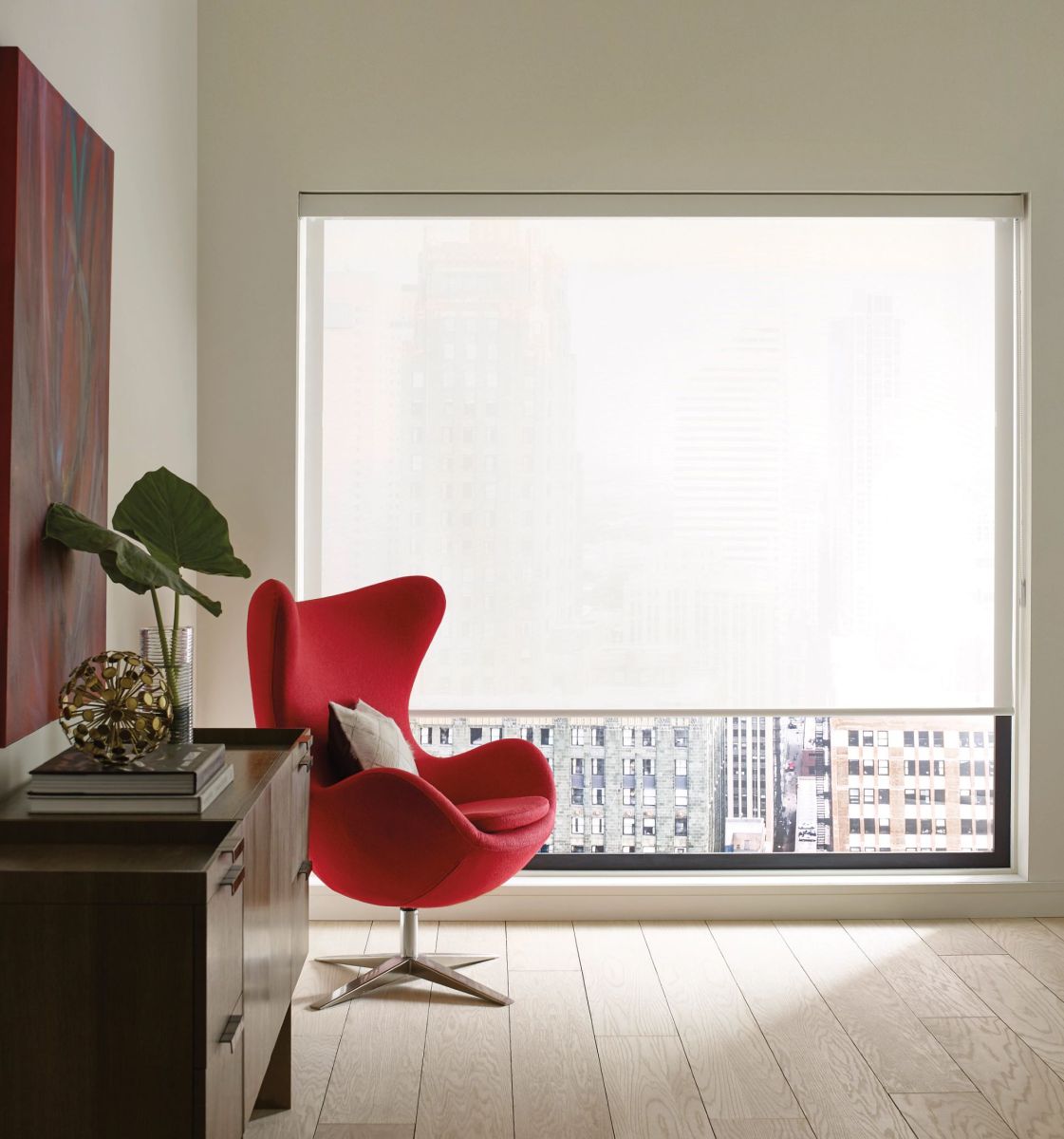
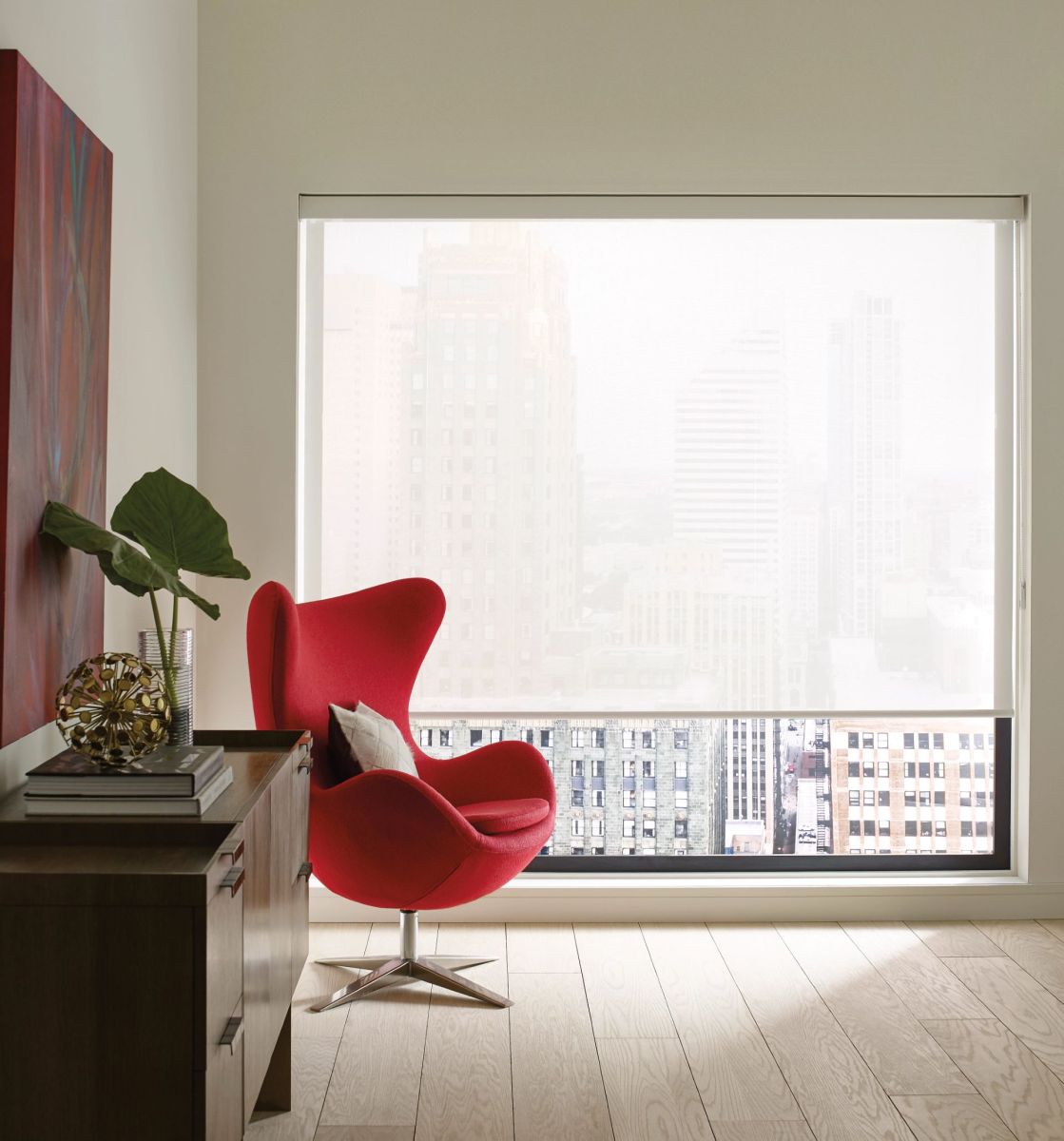
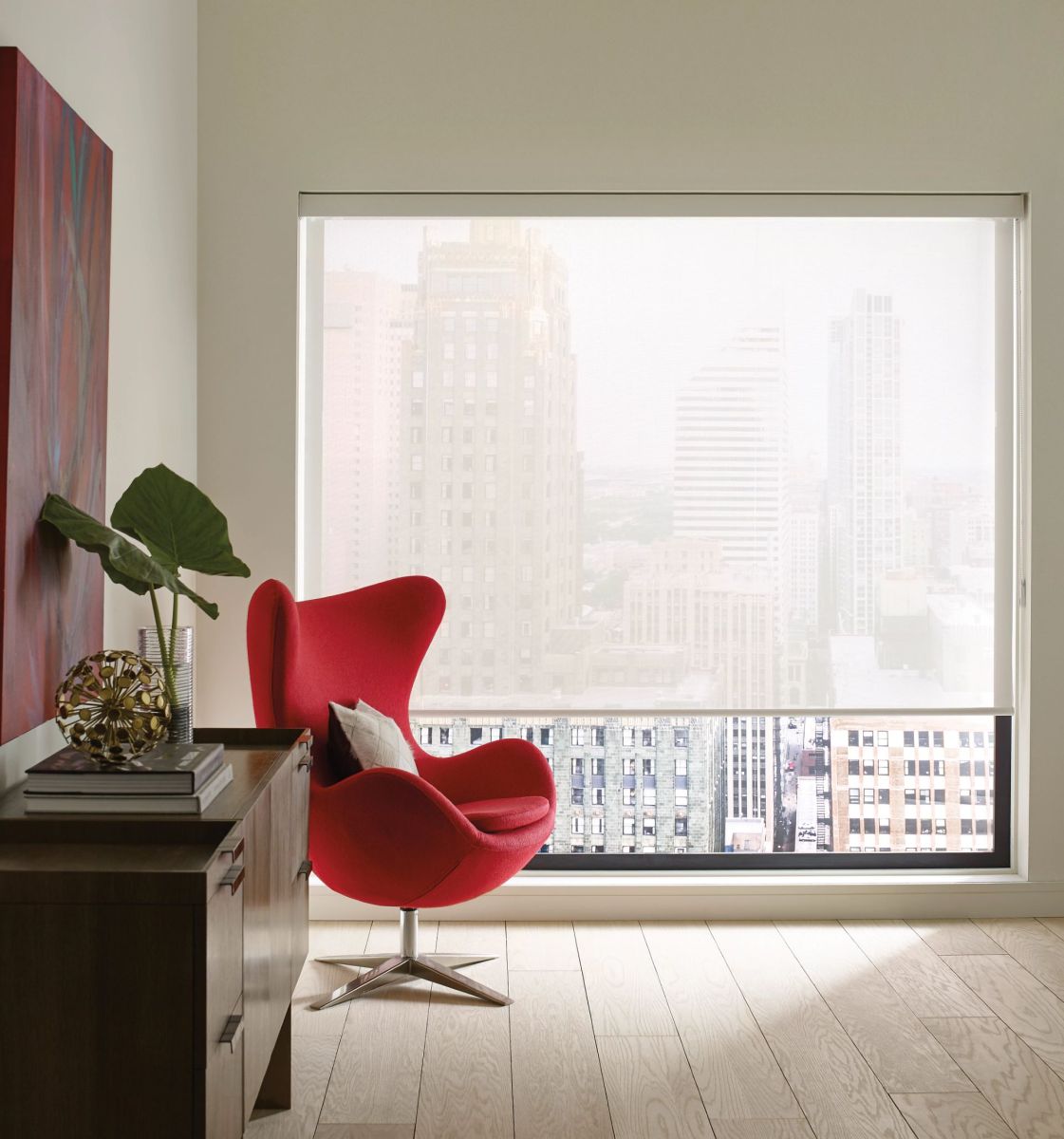
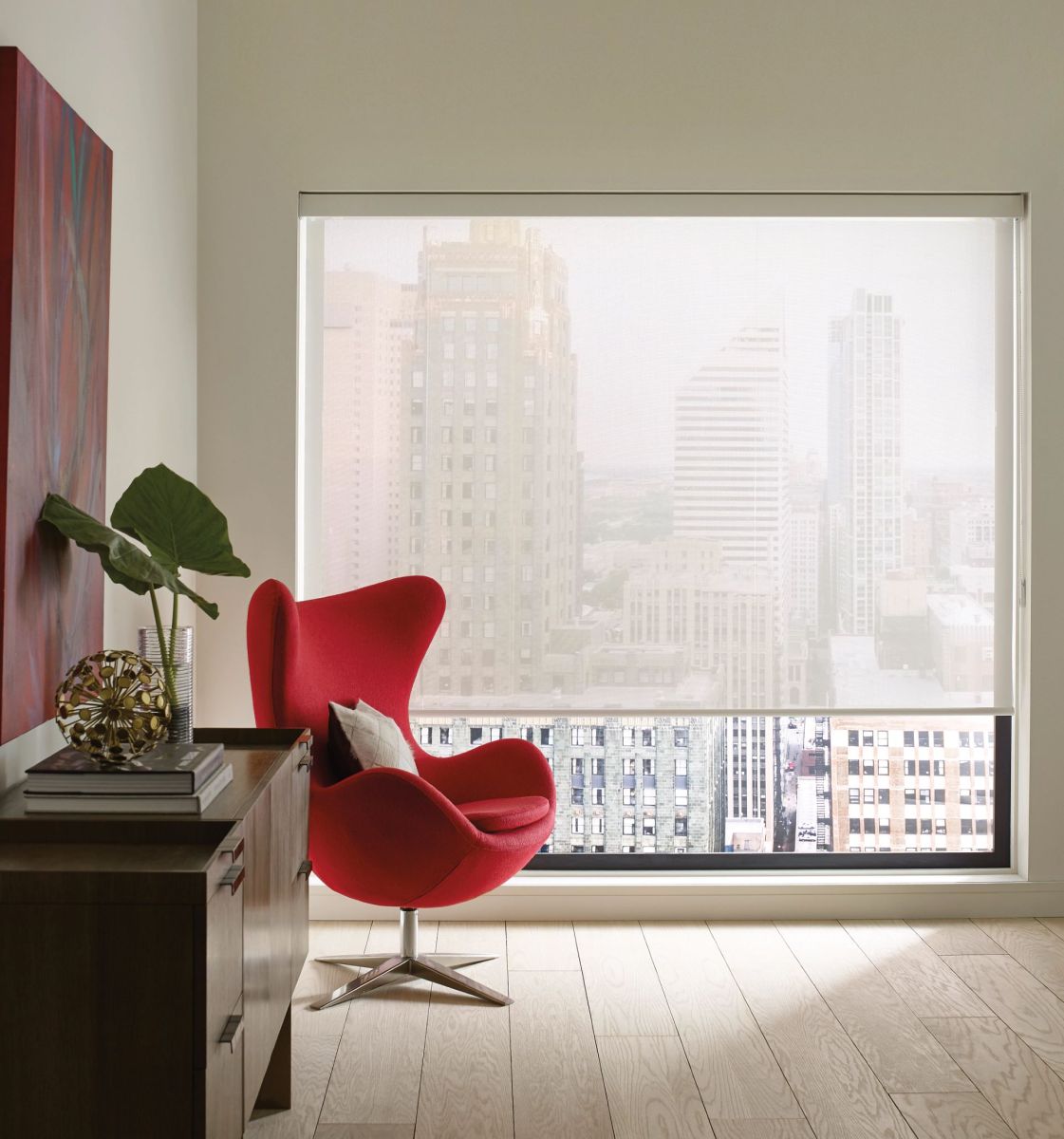
    Openness Factor

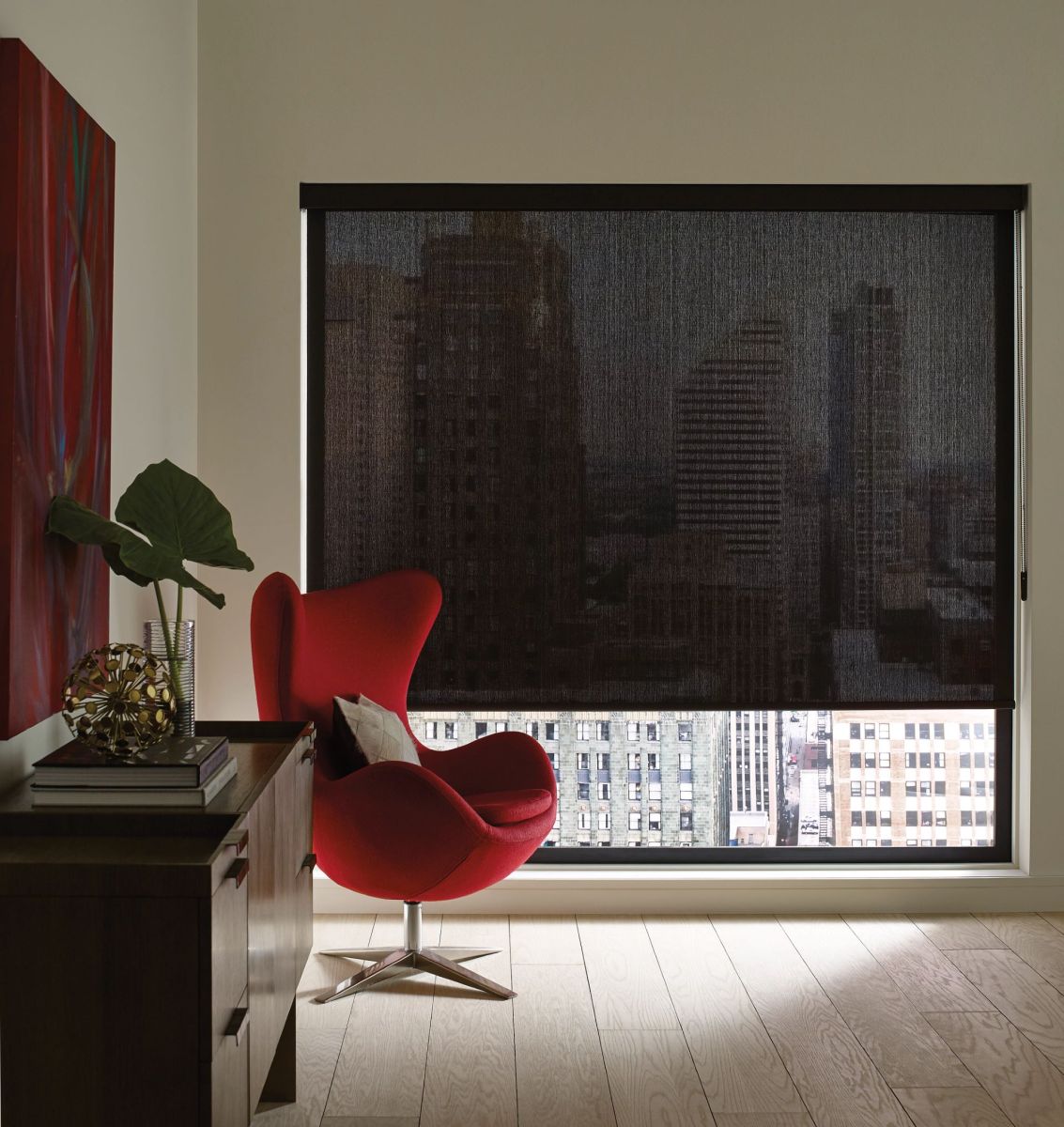
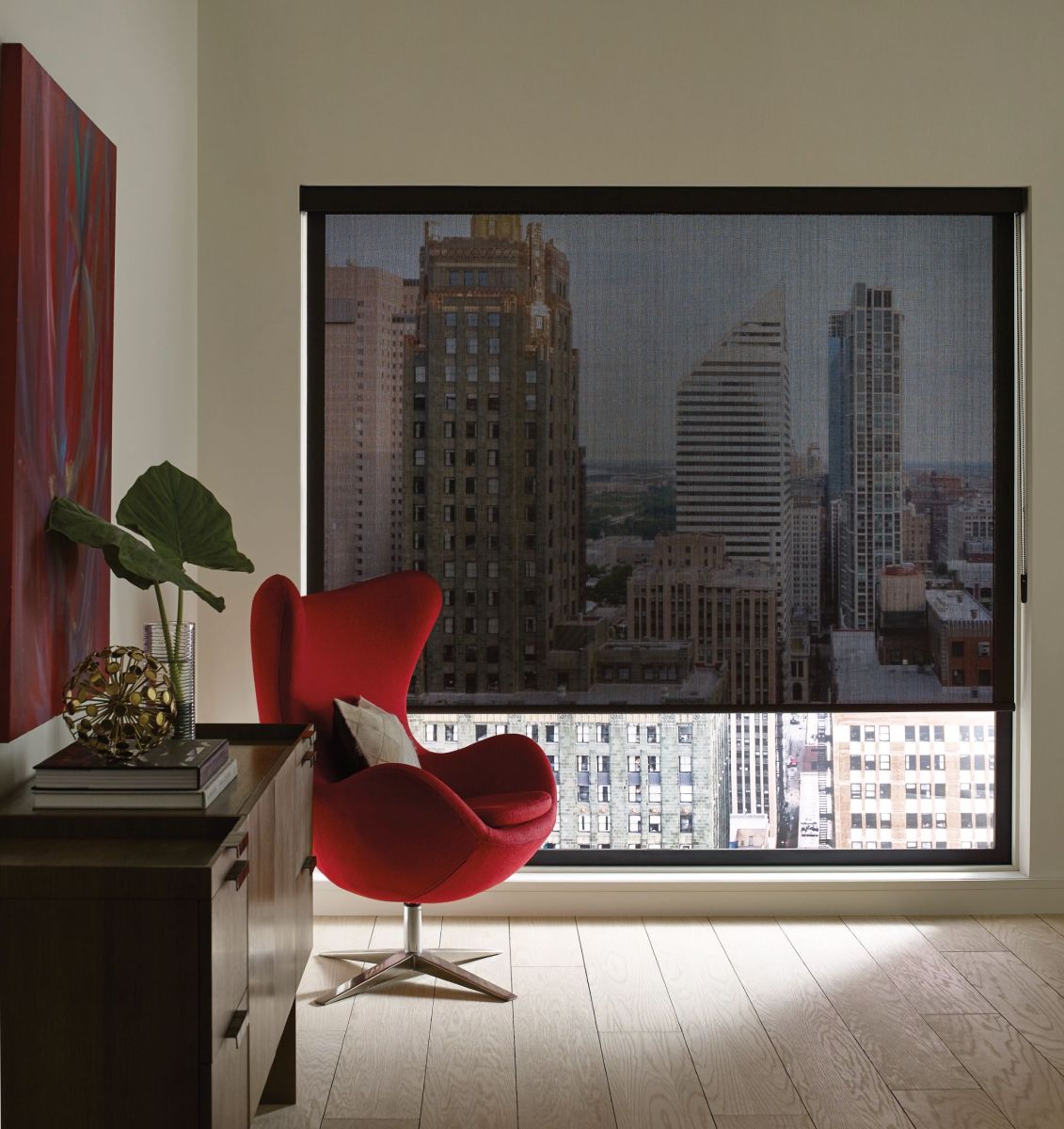
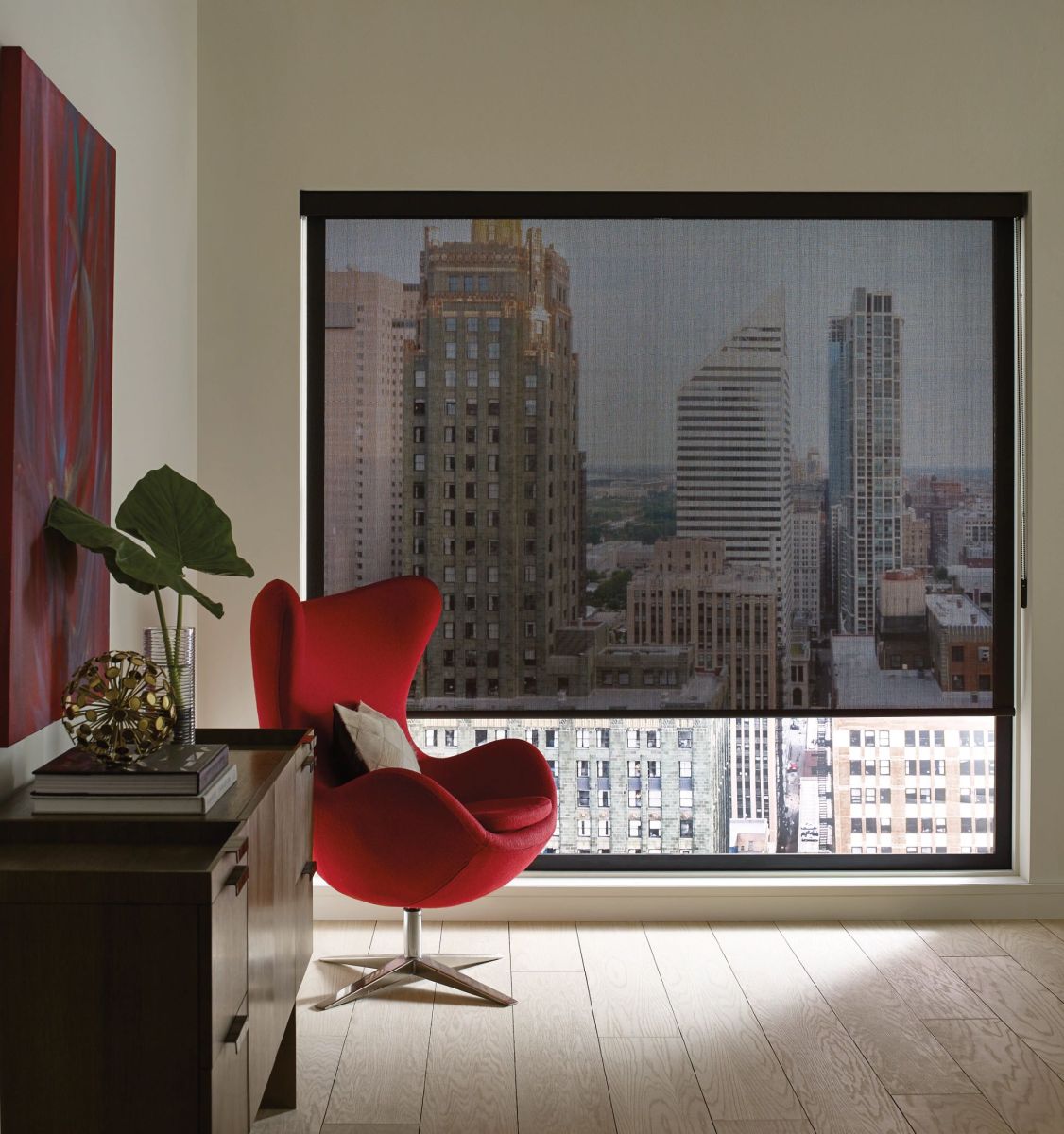
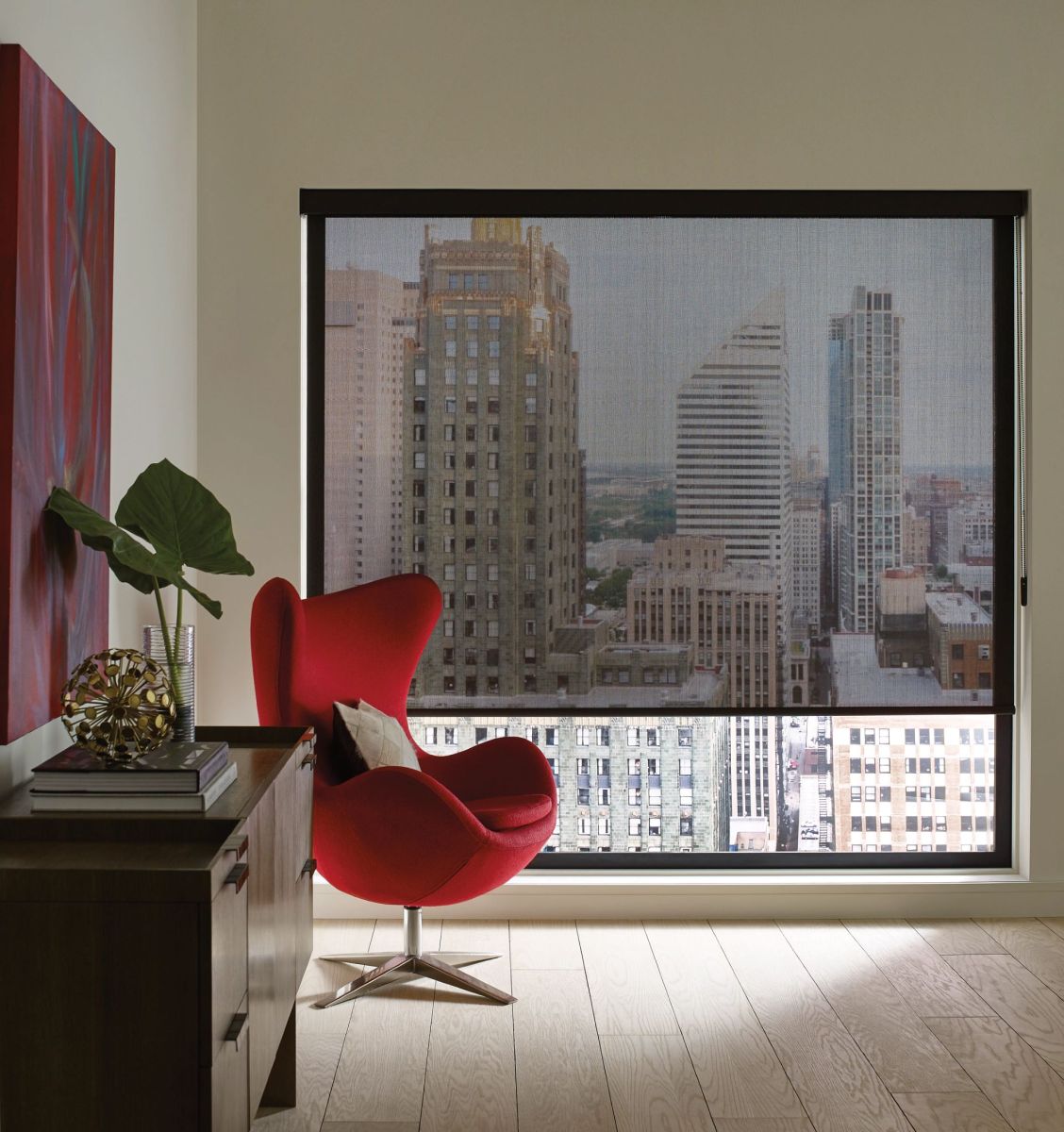
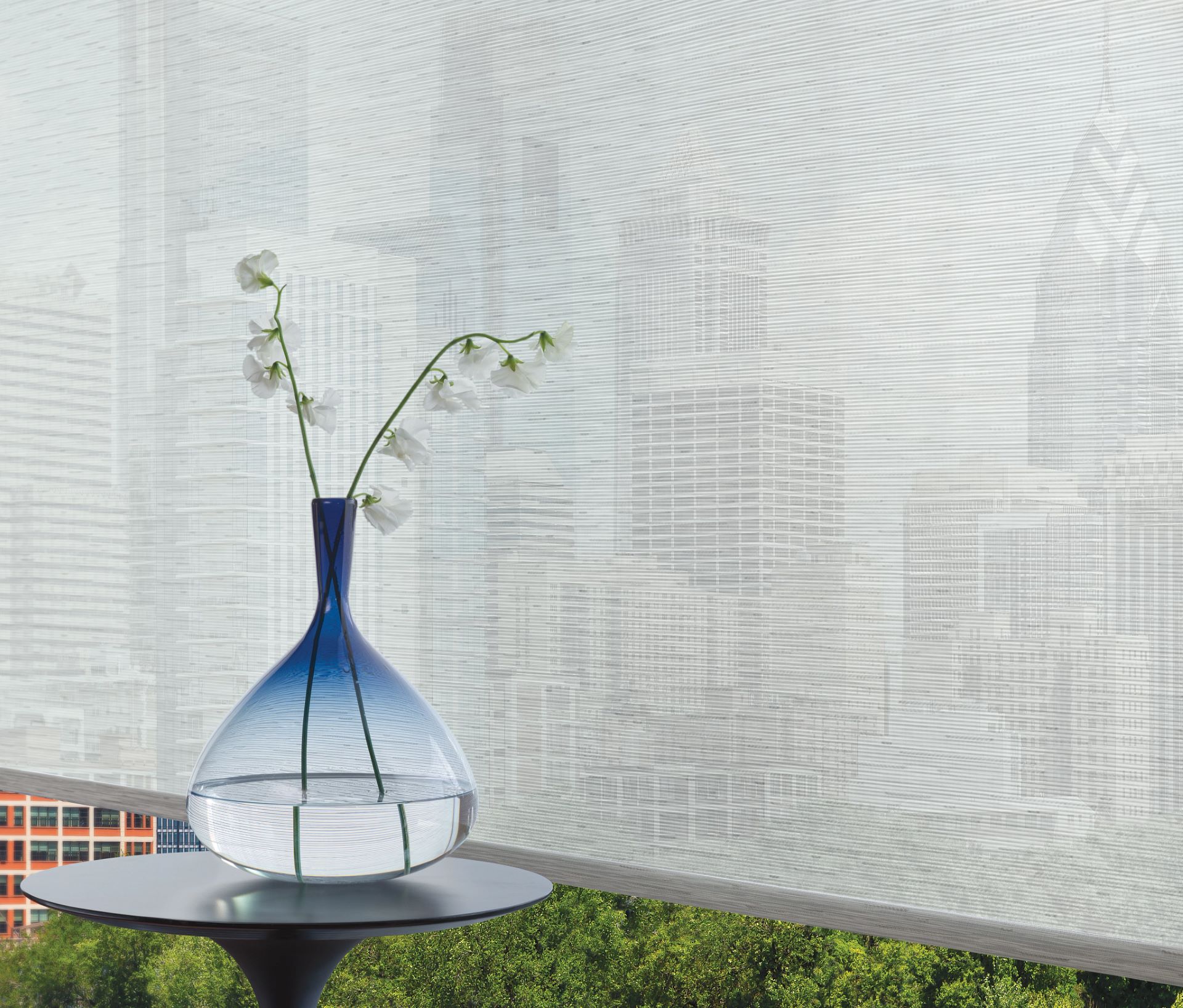
    The openness factor of blinds refers to the density of the weave in the fabric, typically expressed as a percentage. It indicates how much light and visibility is allowed through the blind. A lower openness percentage means a tighter weave, blocking more light and offering more privacy, while a higher percentage indicates a looser weave, allowing more light and visibility. 

    1% Openness Factor

    Image 1 of 4

    1% Openness Factor

    Image 1 of 4

    Opacity

    Opacity refers to the amount of light that passes through a fabric. Sheer fabrics allow for the most light to enter a room, but they offer the least amount of privacy. On the other end of the spectrum, blackout fabrics block nearly all light from entering a room, and they provide the most privacy

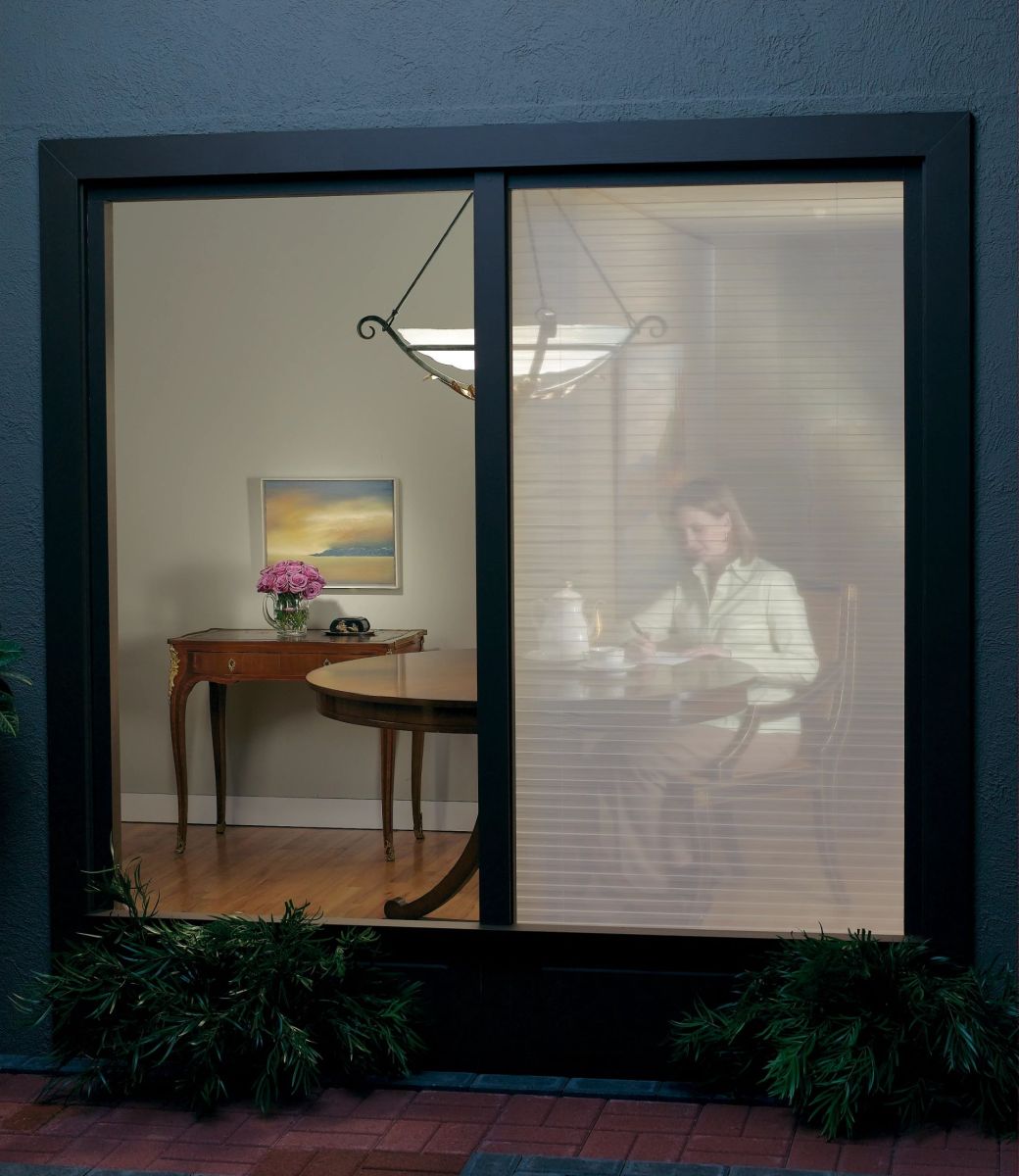
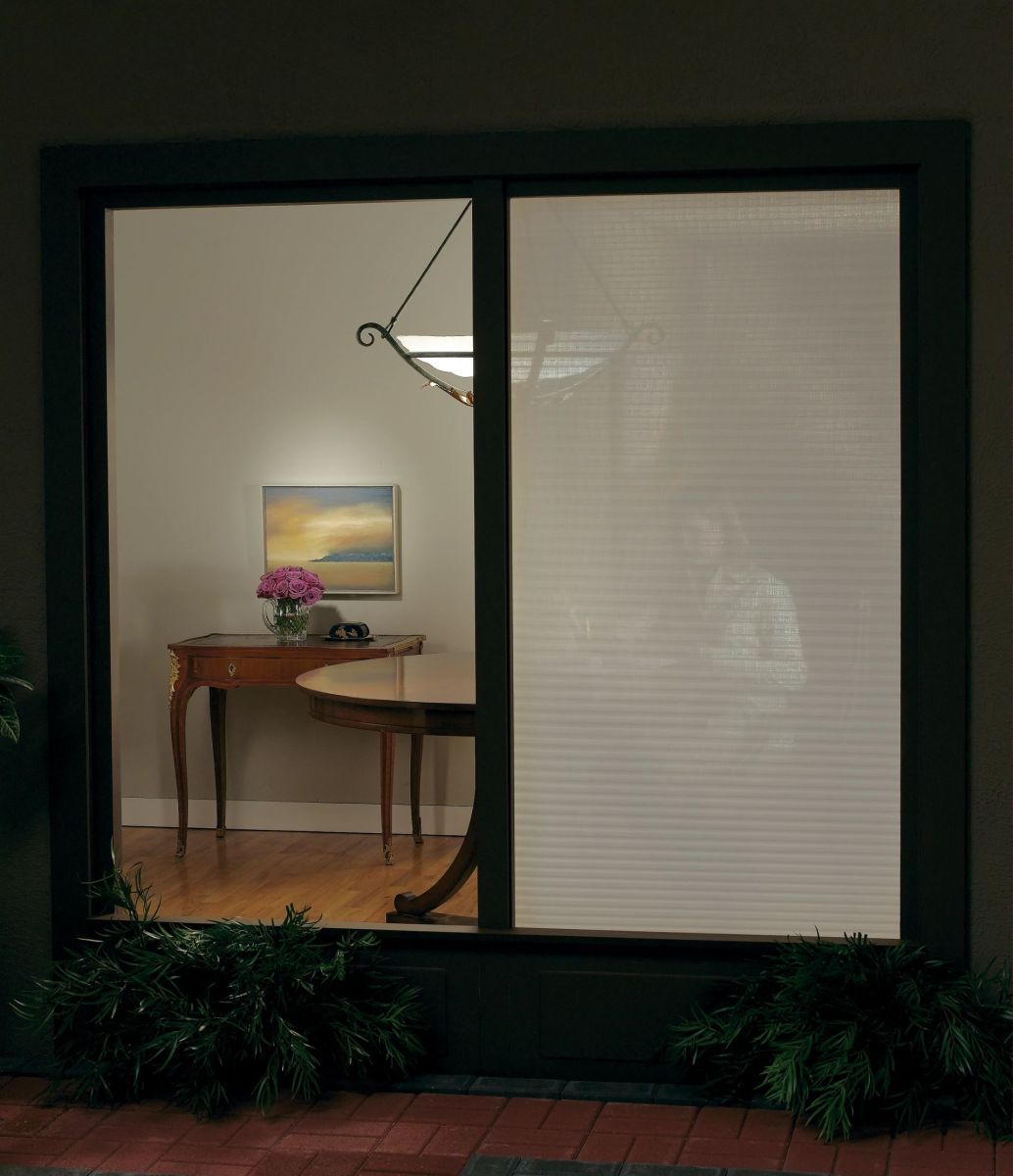
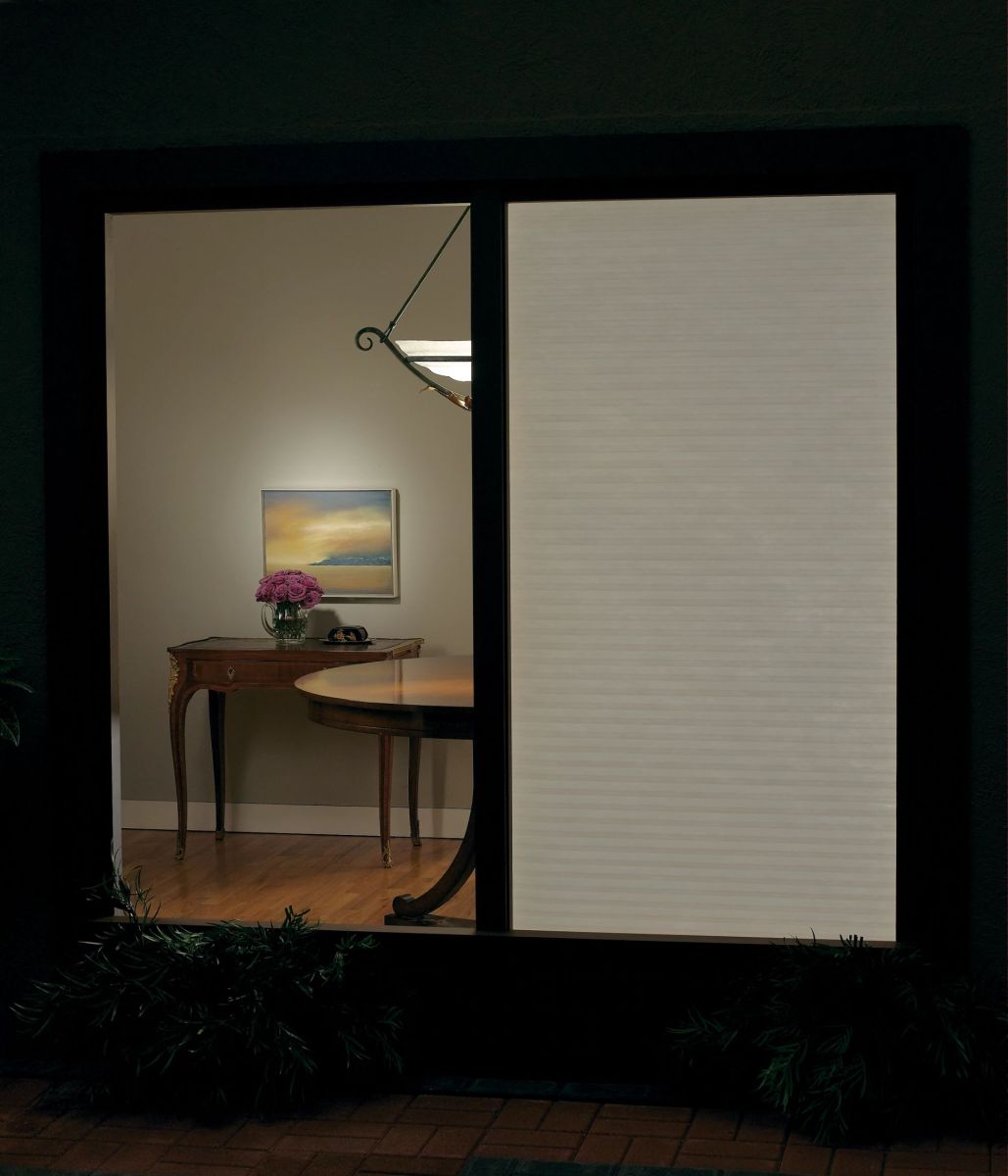
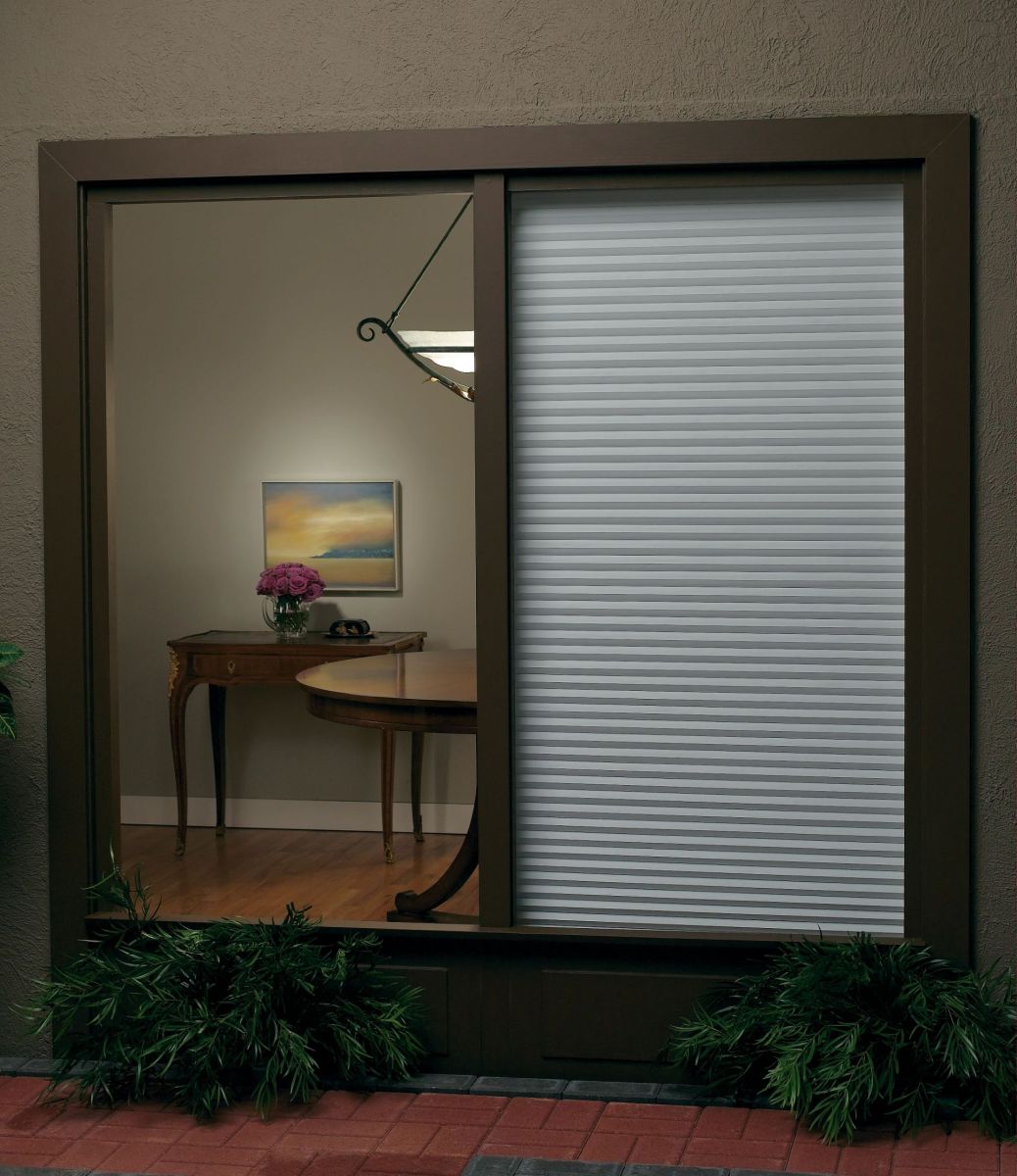
    People prioritize privacy from window coverings in the evening primarily for safety and security, as well as to improve sleep quality and maintain personal boundaries. At night, when interior lights are on, window coverings help prevent outsiders from seeing inside. The opacity of the fabric on your window will determine how much coverage you receive. Take a look at what various opacities look like from the outside into the home, in the photos below.

    Sheer Street View at Night

    Image 1 of 4

    Top Down/Bottom Up

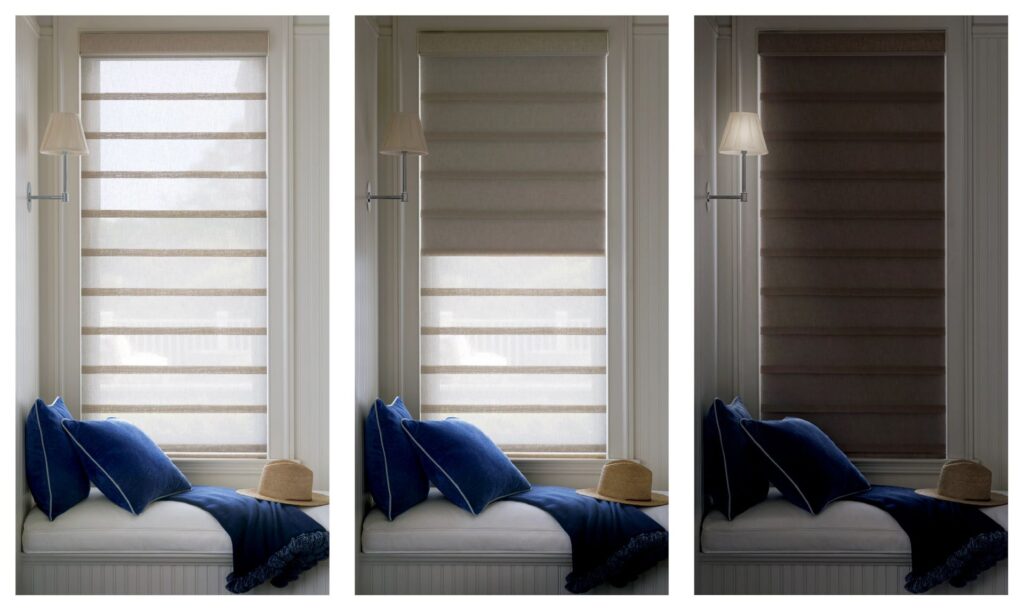
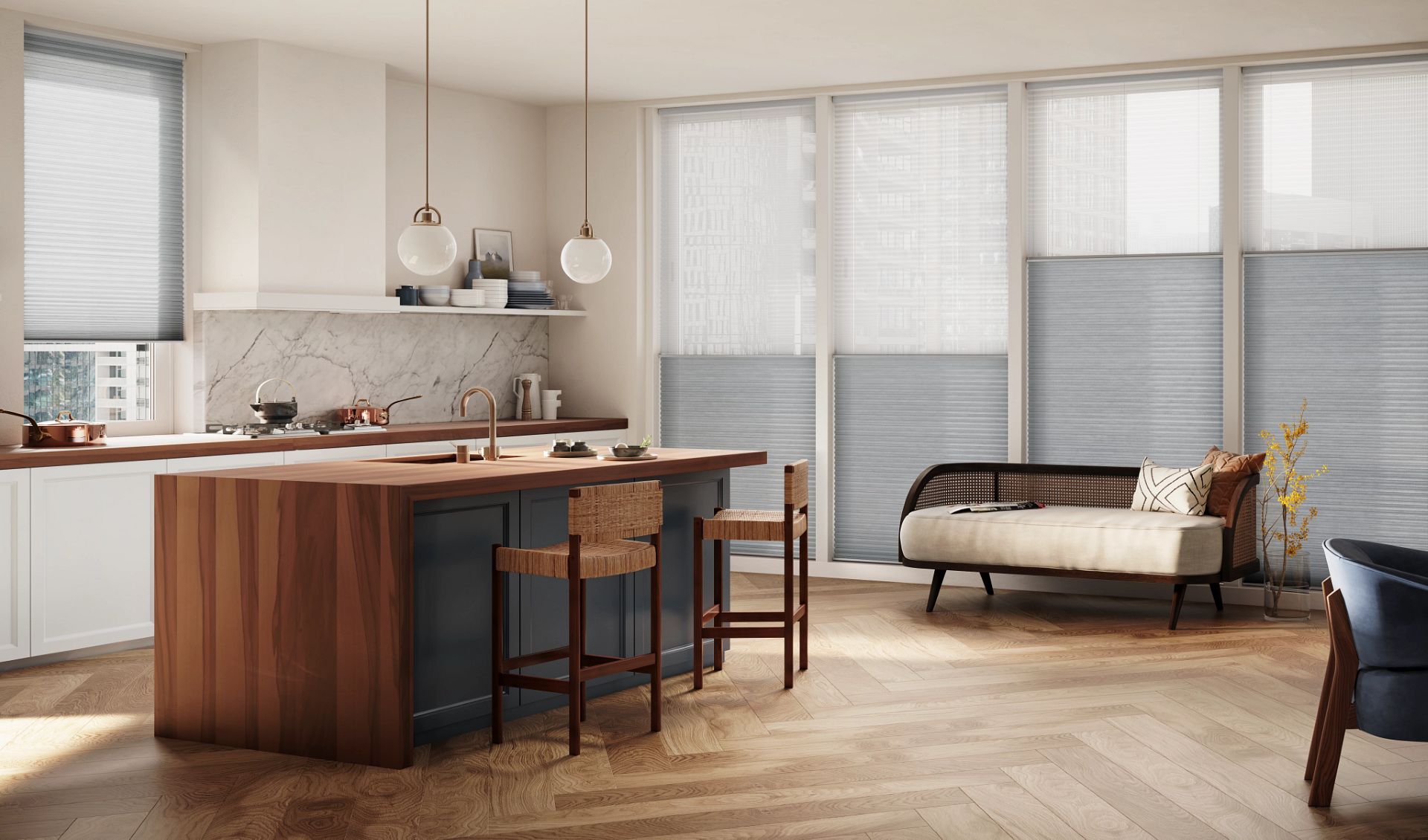
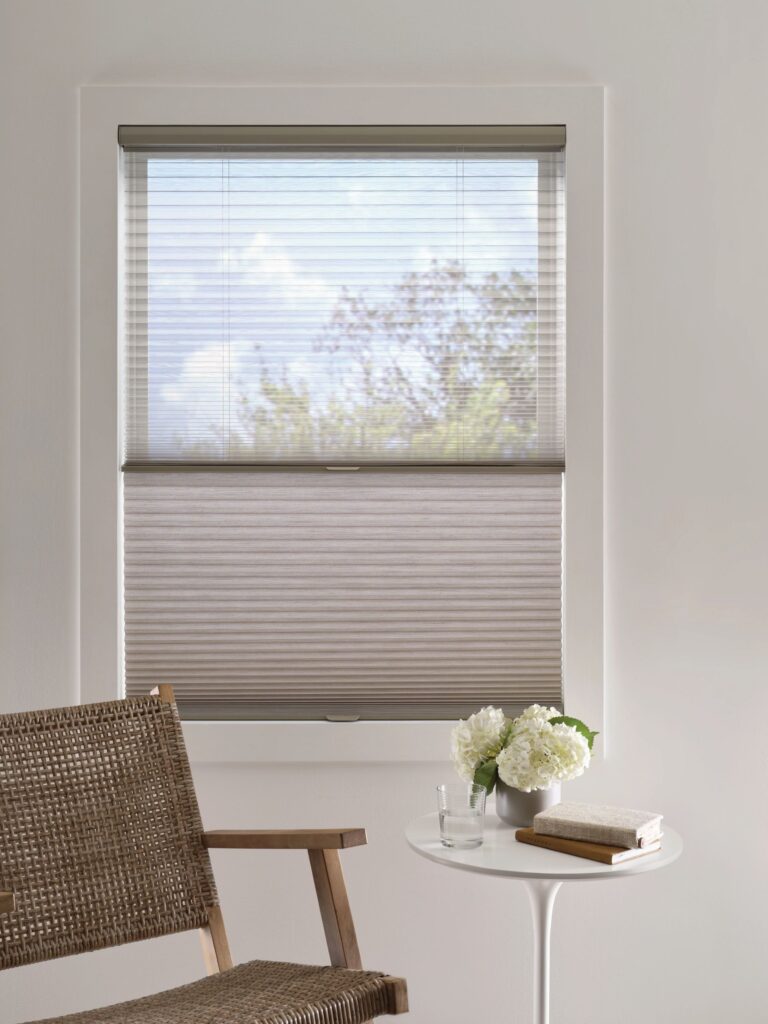
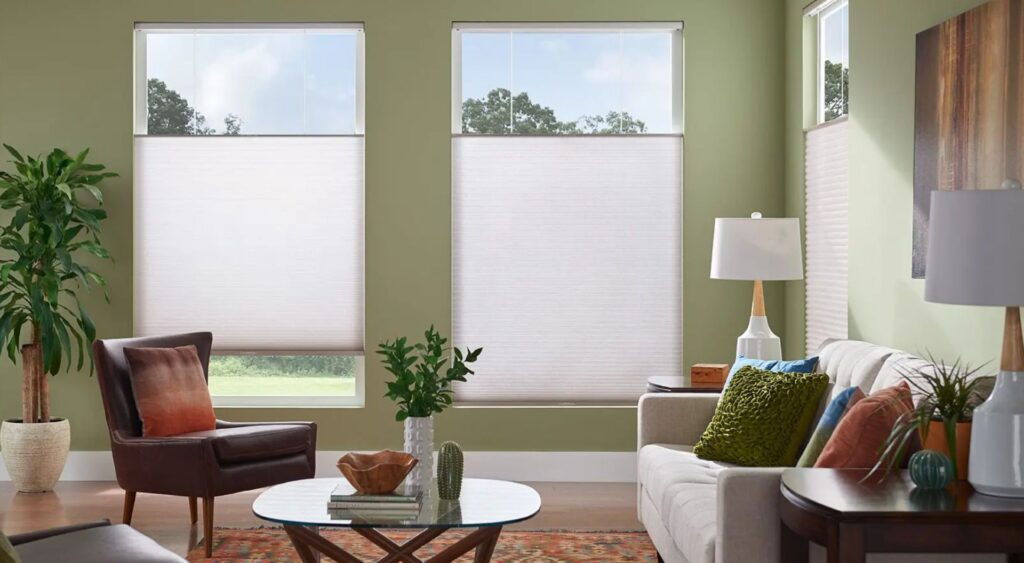
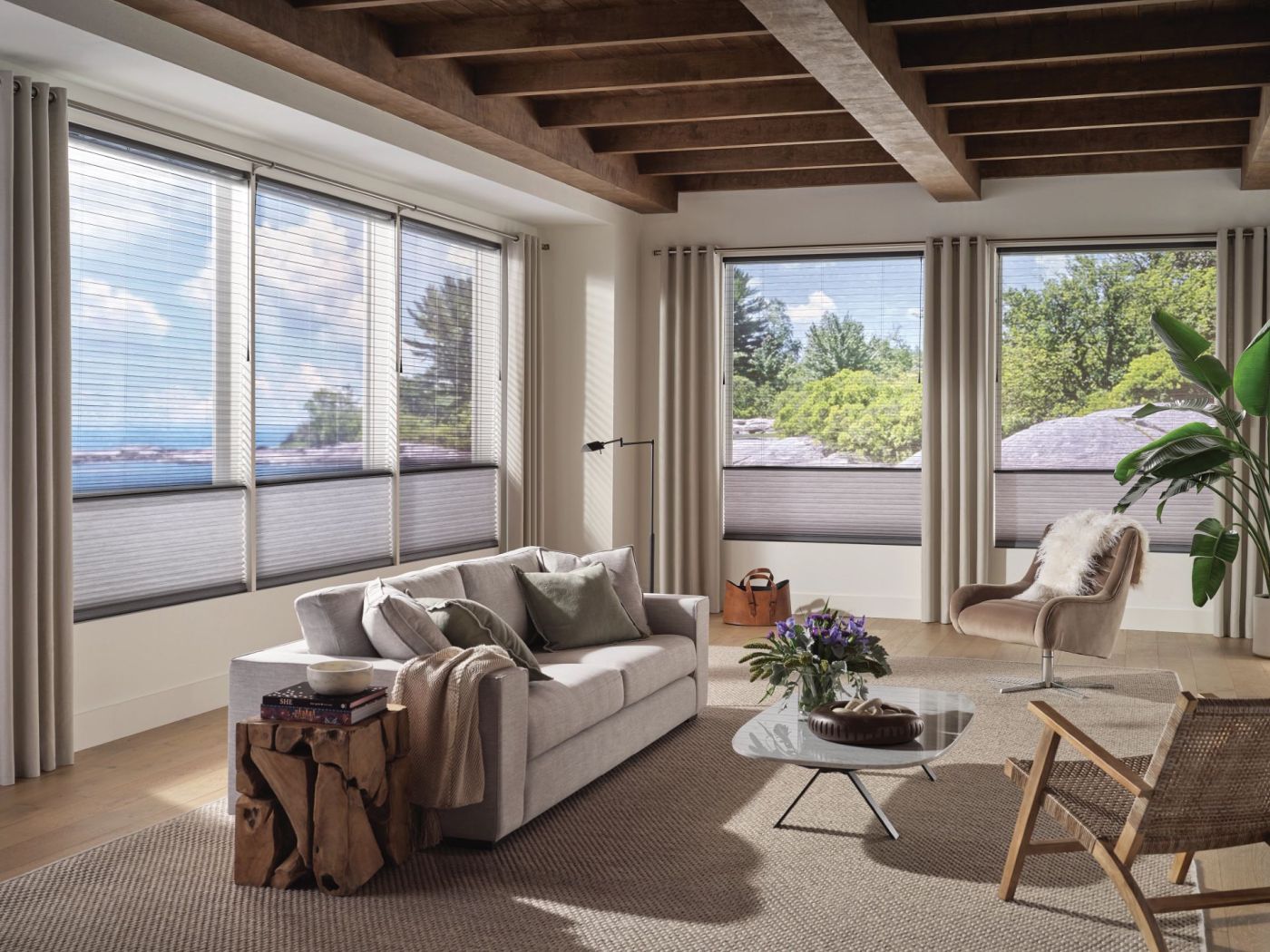
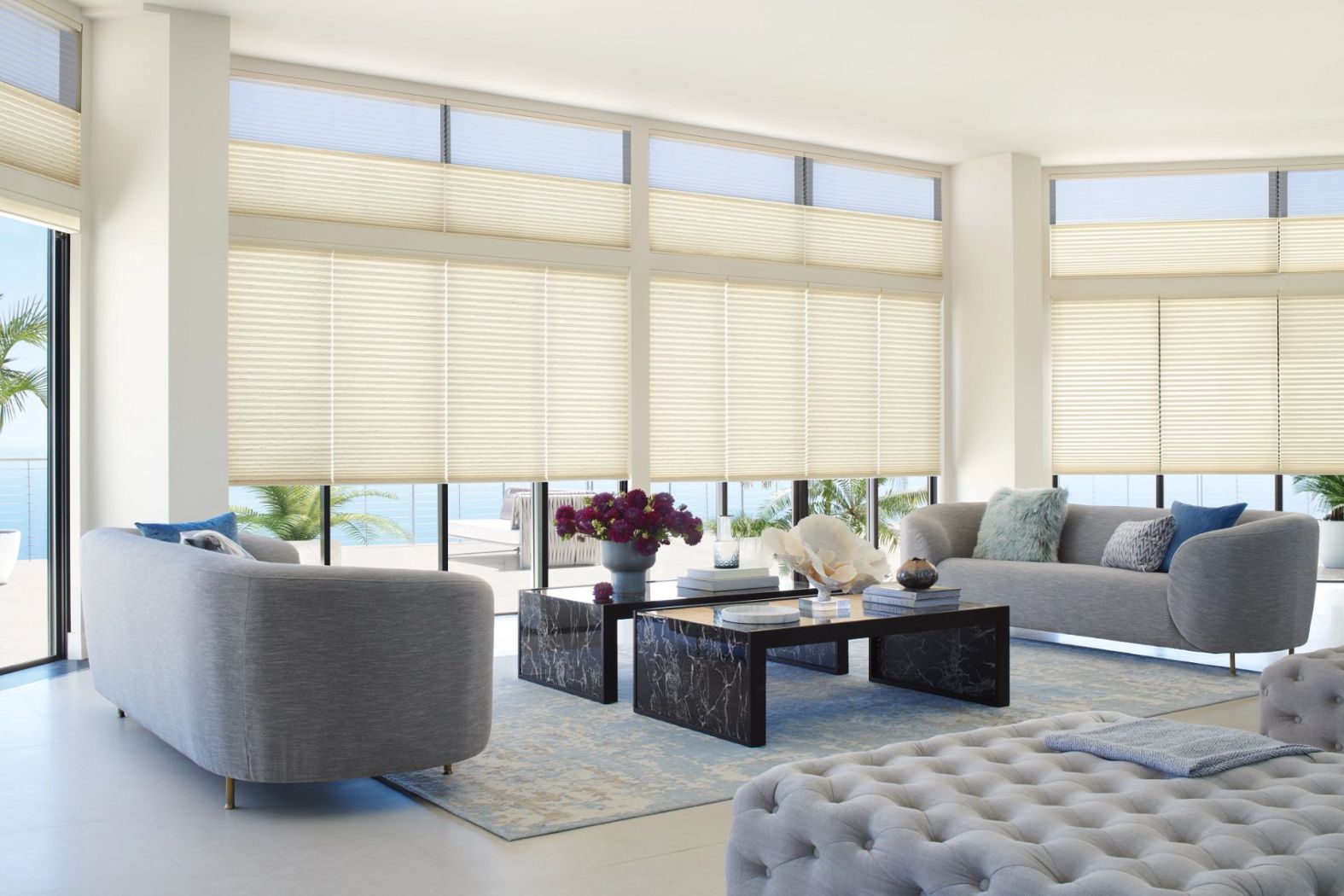
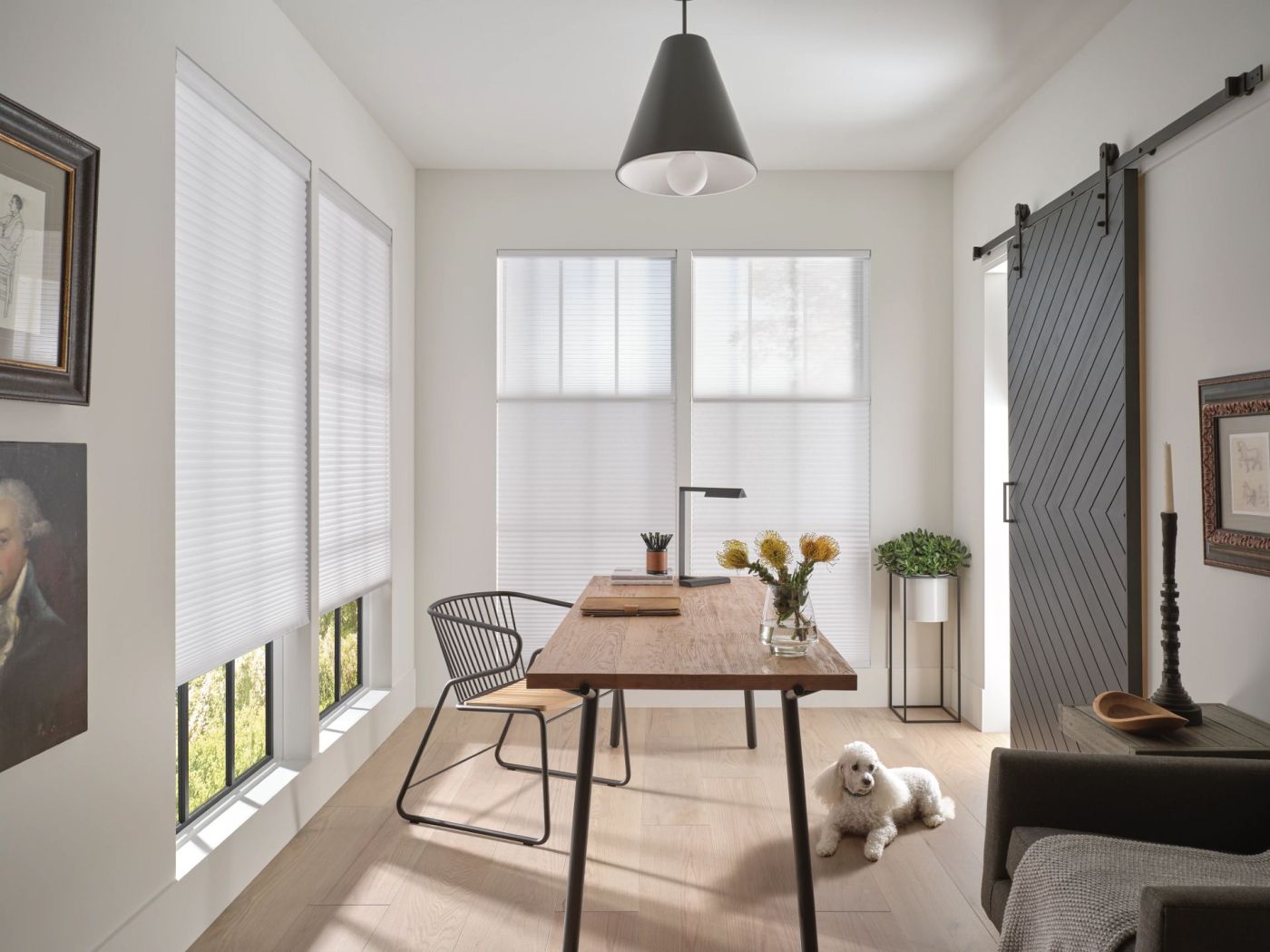
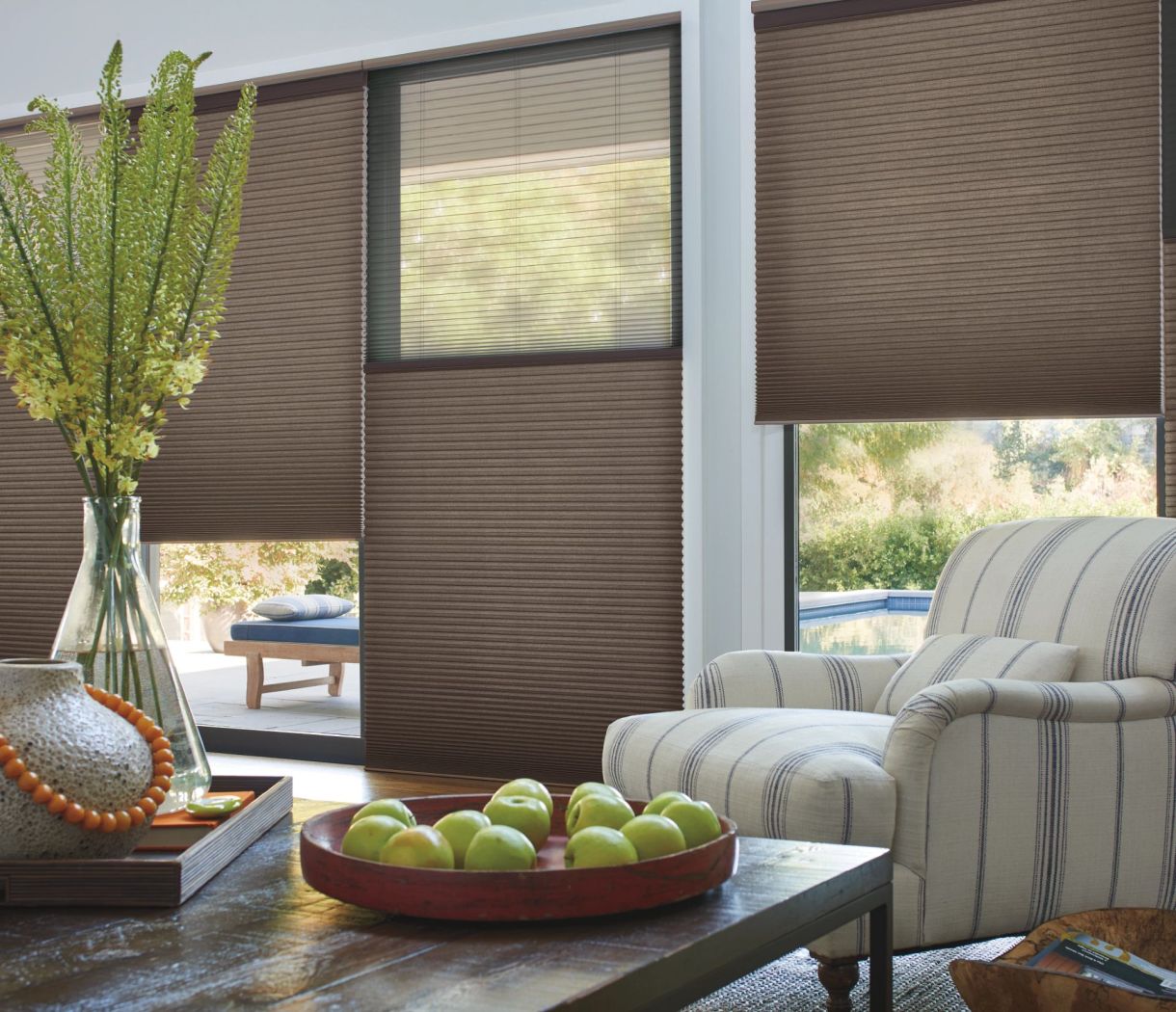
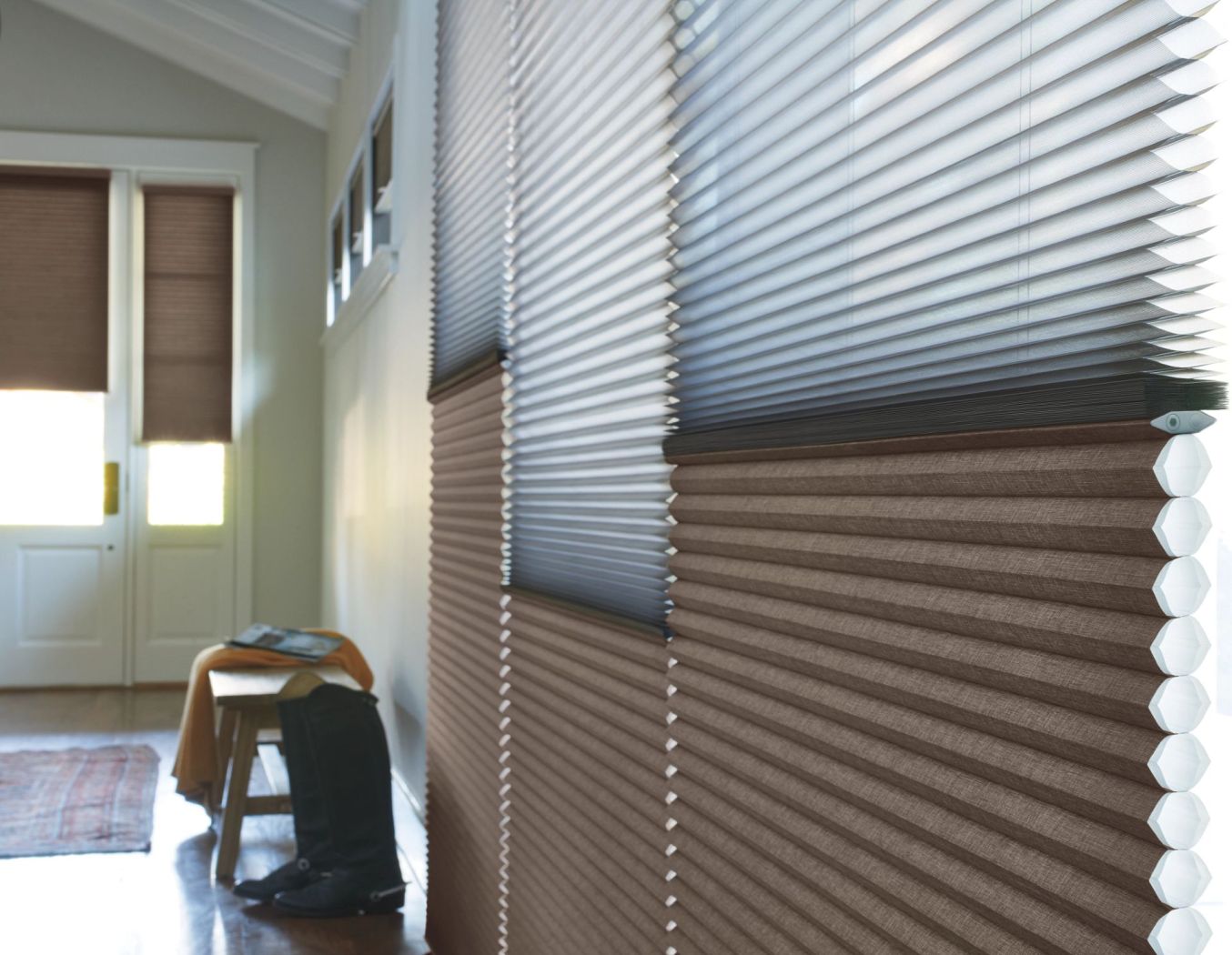
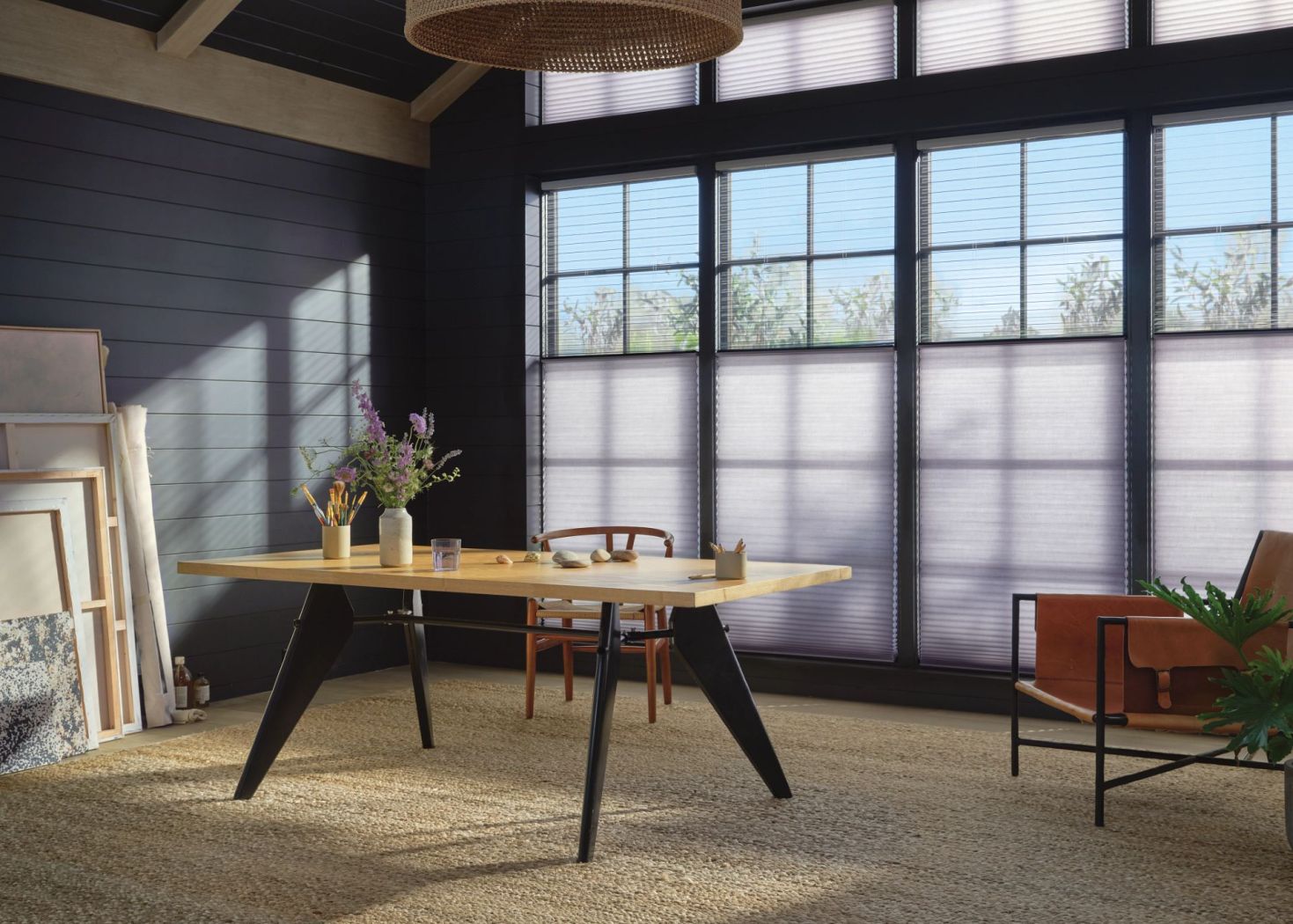
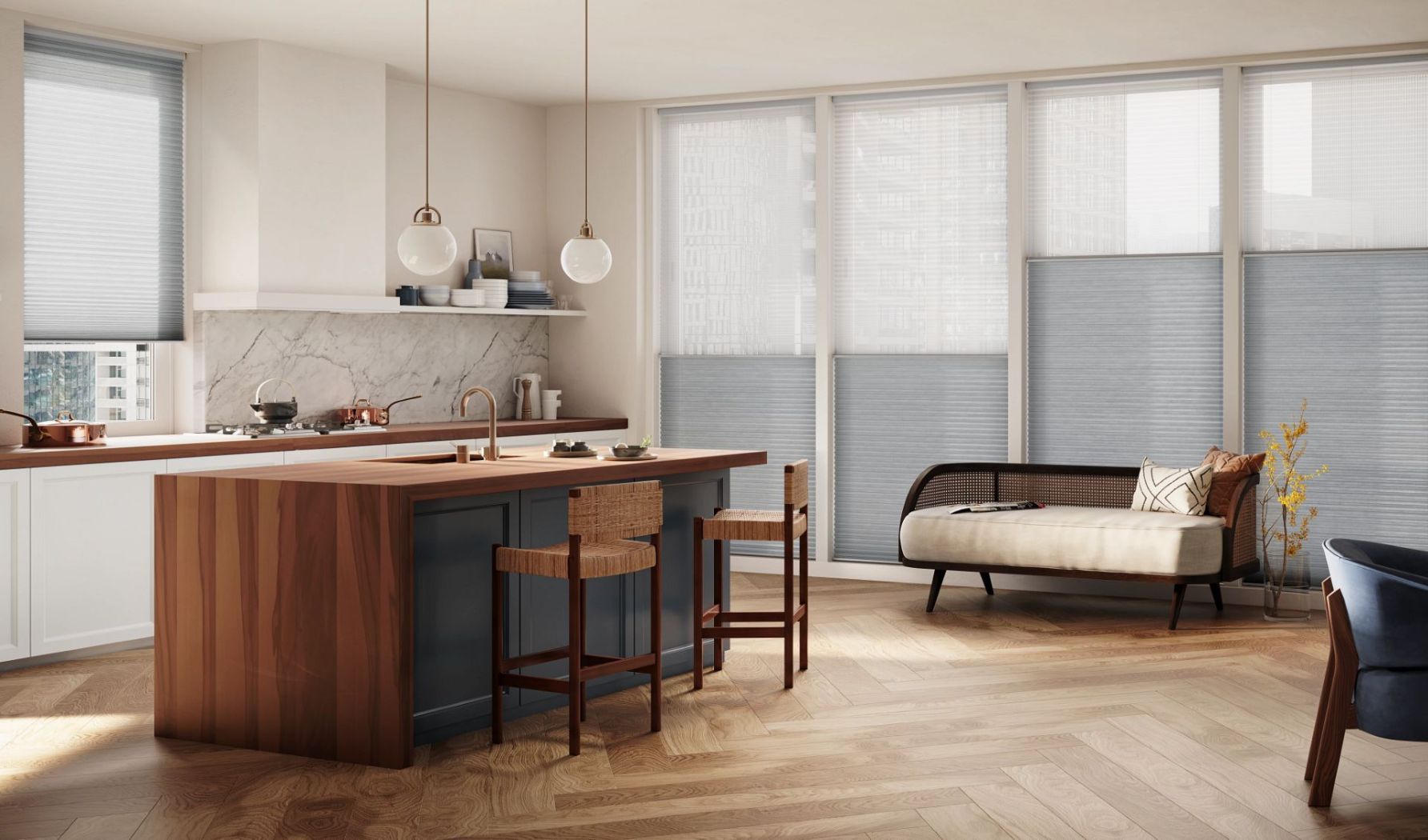
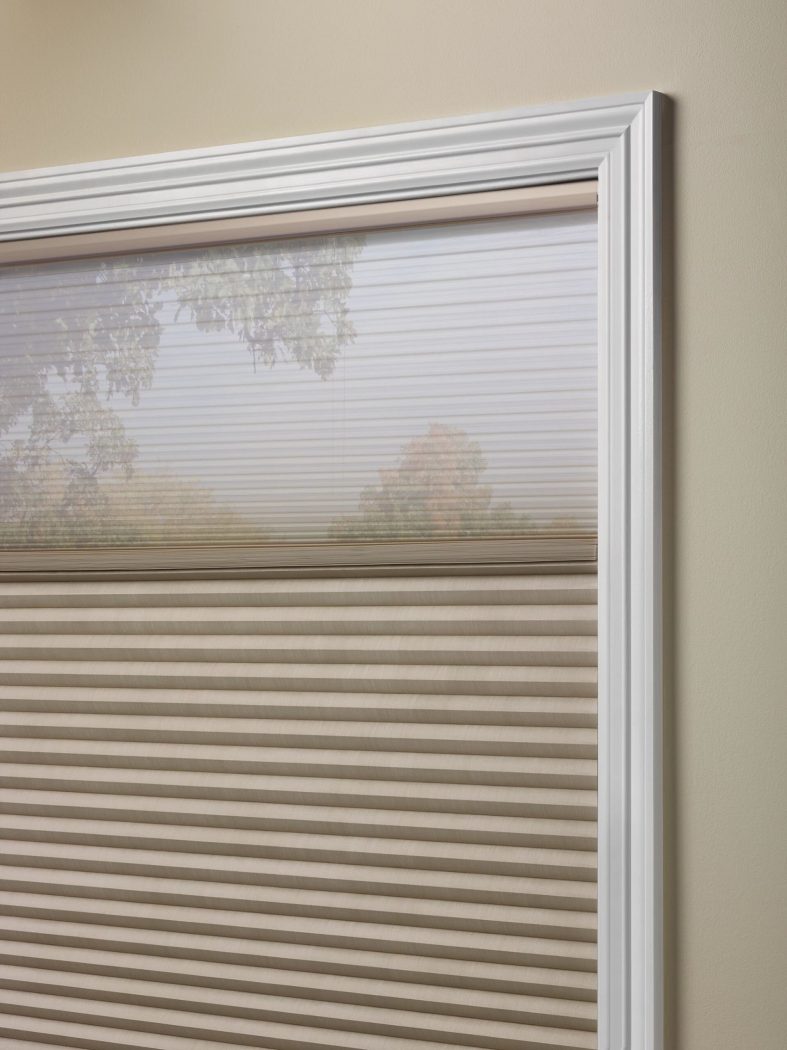
    People love top-down/bottom-up shades because they offer a unique combination of light and privacy control, allowing for flexible light management and maintaining privacy simultaneously. This design allows you to adjust the shade from the top or the bottom, or both, providing options not available with traditional blinds. 

    Top Down Features

    • Daylighting Across the Ceiling
    • Interior Protection from Harsh UV Rays
    • Privacy with Natural Light

    Natural light improves your mood & the atmosphere of your home. But, what about privacy? Even more, direct light enters, increasing the temperature and causing glare. It’s time you said “enough is enough” with top down bottom up shades. Most of the window stays covered for privacy and light control, while natural light flows in across the ceiling to illuminate the space. Enjoy the ideal balance of light & control in your home.

    Daylighting

    Natural light crosses the ceiling and illuminates the space. This is called daylighting, and it’s a well-loved feature of top down shades. Just by lowering your shades from the top, you can have all the benefits of covered windows while enjoying mood-boosting sunshine. Reduced glare, no direct rays in your eyes, privacy and energy savings.

    Privacy

    Just because you have street-level traffic outside your windows, doesn’t mean you have to give up privacy. Not only that, but you don’t have to give up your sky views or natural light, either. Bring the shades down enough that you can have the best of both worlds–a cozy, private feeling on the inside with natural light that easily puts you in a good mood.

    Custom Adjustments

    Put your shades right where you need them when you combine the Top Down/ Bottom Up feature with PowerView Motorization. Lower from the top. Raise from the bottom. Lower from the top AND raise from the bottom. It’s customization at each and every window that makes these shades so unique. You design the way your room looks and feels. Experience a personalized atmosphere you will love!

  • Room Darkening

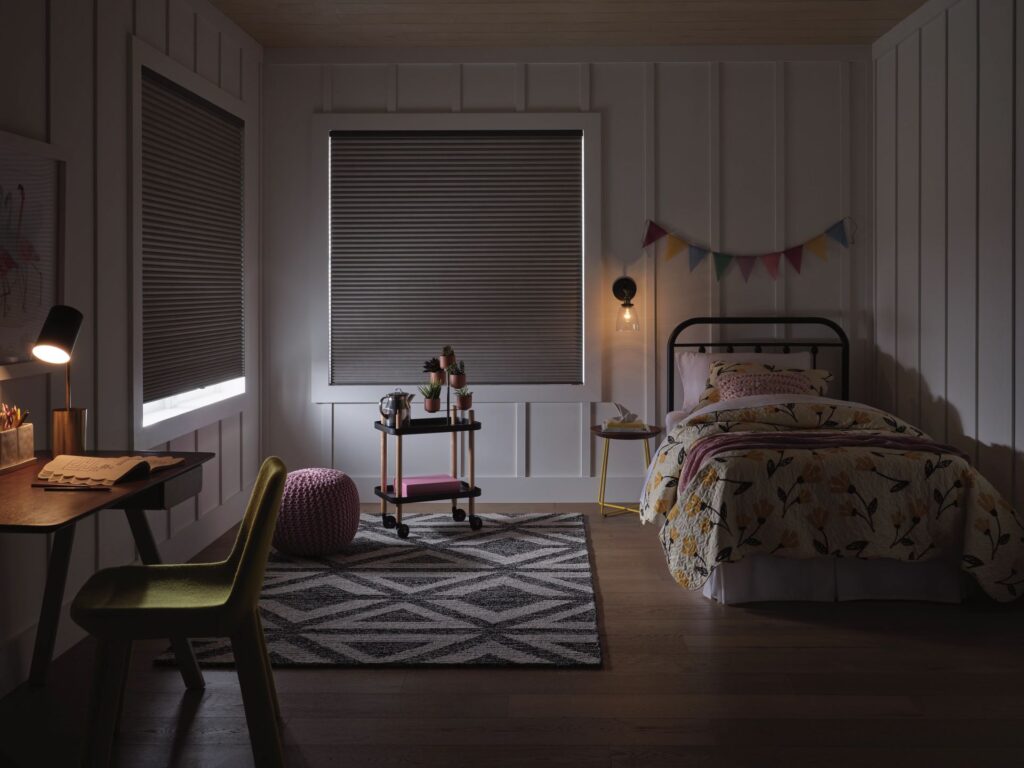
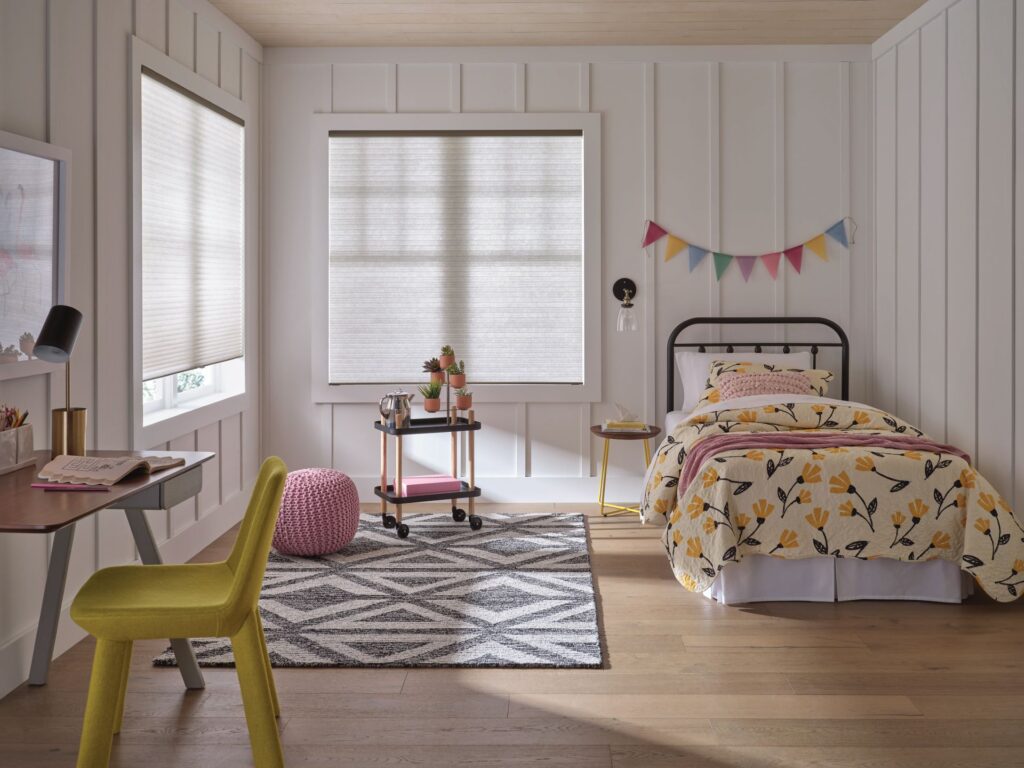
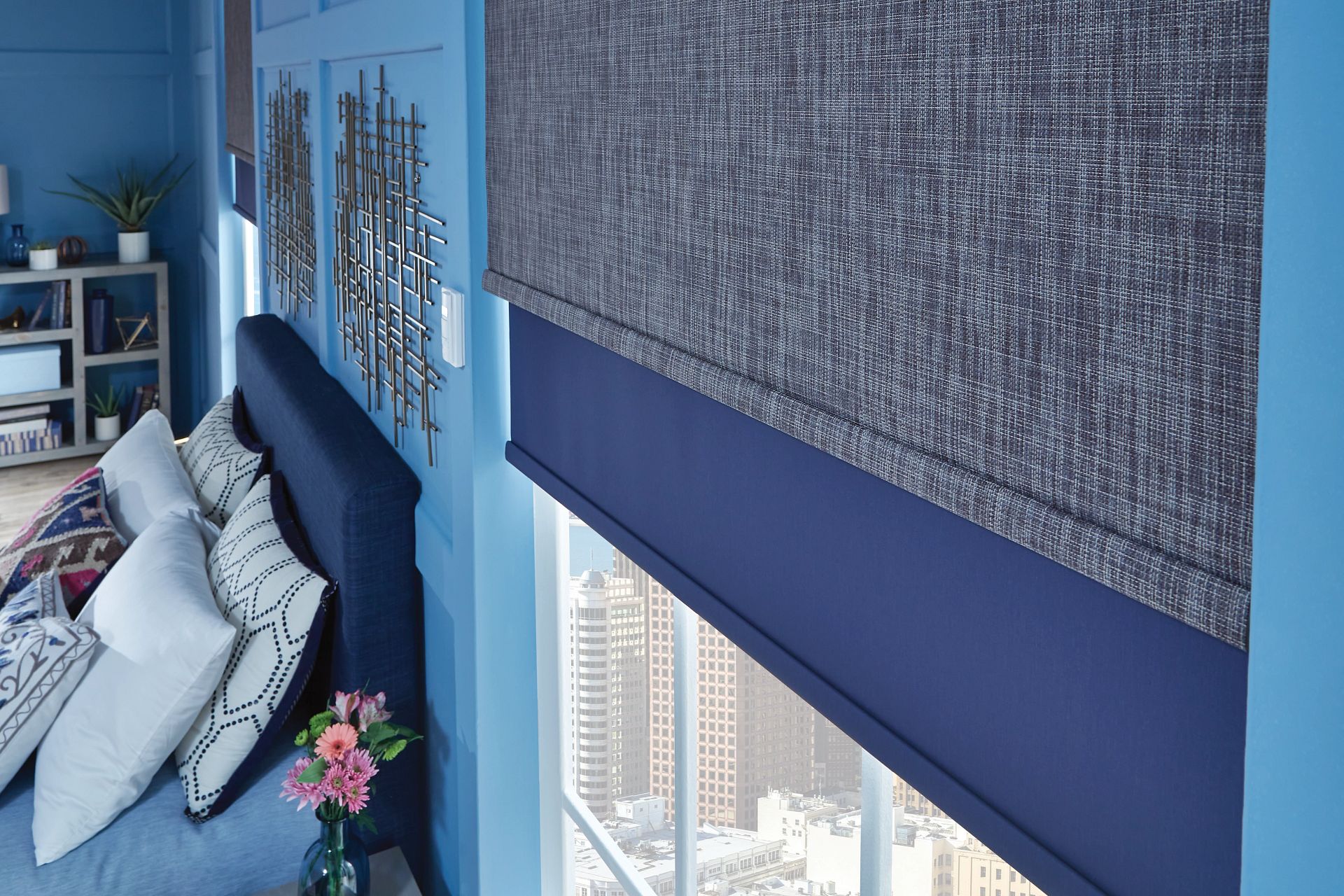
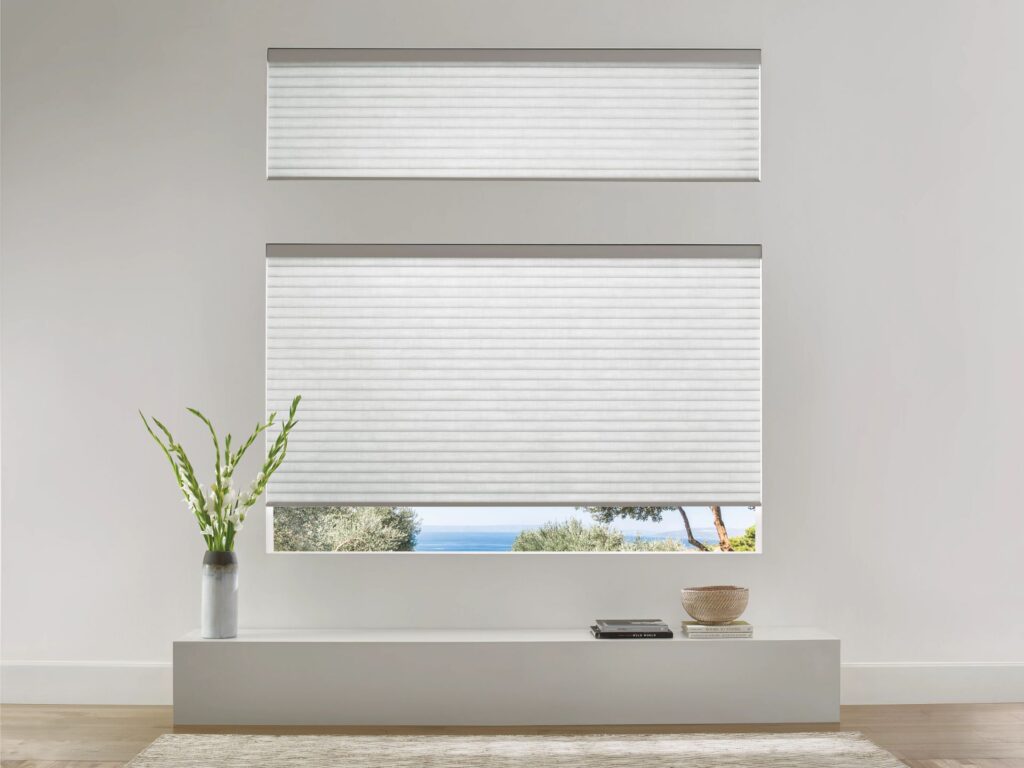
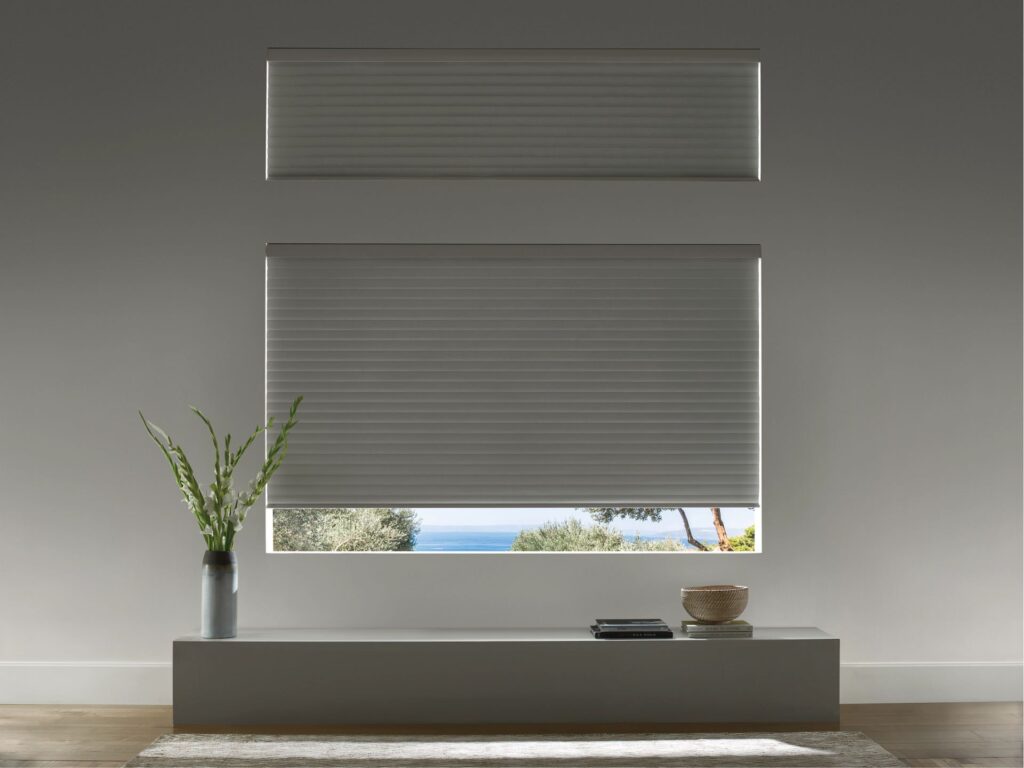
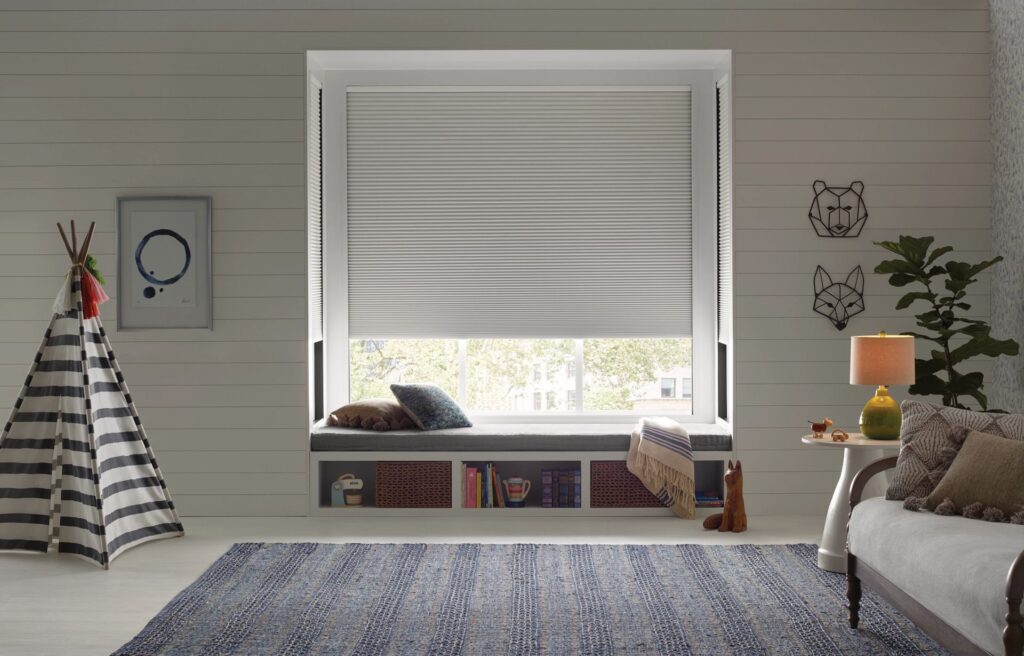
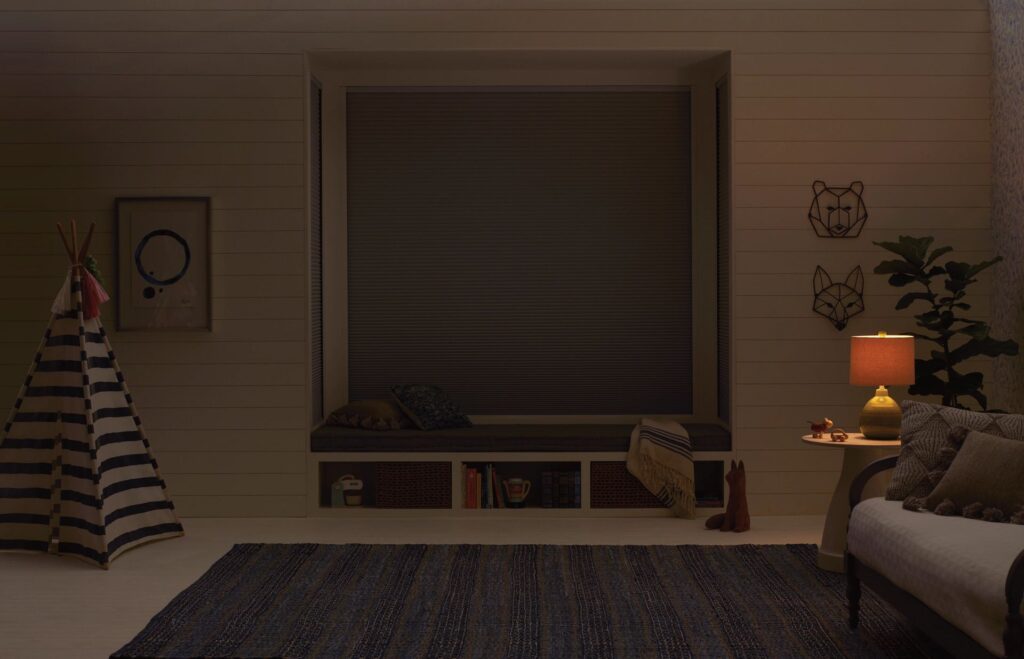
    One of the most frequent questions we get asked is about the difference between room darkening and blackout…and which option would be best. It’s a good idea to understand that room darkening is the term used when “most” of the light is kept from a room, but it’s still possible to see. Blackout is best described as an environment where all the light is blocked, and it can be hard to see. Both environments are favorable for a good night’s sleep. It’s often the intensity of the light–or if adults need daytime sleep–that can dictate which choice is best. Plus, the type of window shades and fabrics influence the results.

    If you’d like ideas for the window treatments, including room darkening and black out blinds and shades, we’ve got plenty to choose from. Block the light, no matter the time–day or night.

    Light Gaps

    It’s always important to keep in mind that light gaps may exist–these are slivers of light that appear along the edges of room darkening shades when it’s bright outside. We mention this because there are times when blackout shades create more of a “room darkening” environment due to the gaps. This is where your window covering specialist can help guide you. Depending on the make-up of your window, the framing and depth, you can have varying light gaps. It’s dependent upon which window coverings you choose and how they are installed. One option to consider if you need it ultra-dark, is the LightLock system. This adds a U-channel to the frame, sealing out the light, paired with a blackout honeycomb shade. Another option, layering draperies, allows you to cover the edges of the window, while enhancing the style of your home.

    Can it get even darker?

    Get solutions to block the most intense sunshine for any room in your home. And, create the ideal media space for an afternoon movie. With the LightLock™ feature on room darkening shades, any room can achieve complete darkness!