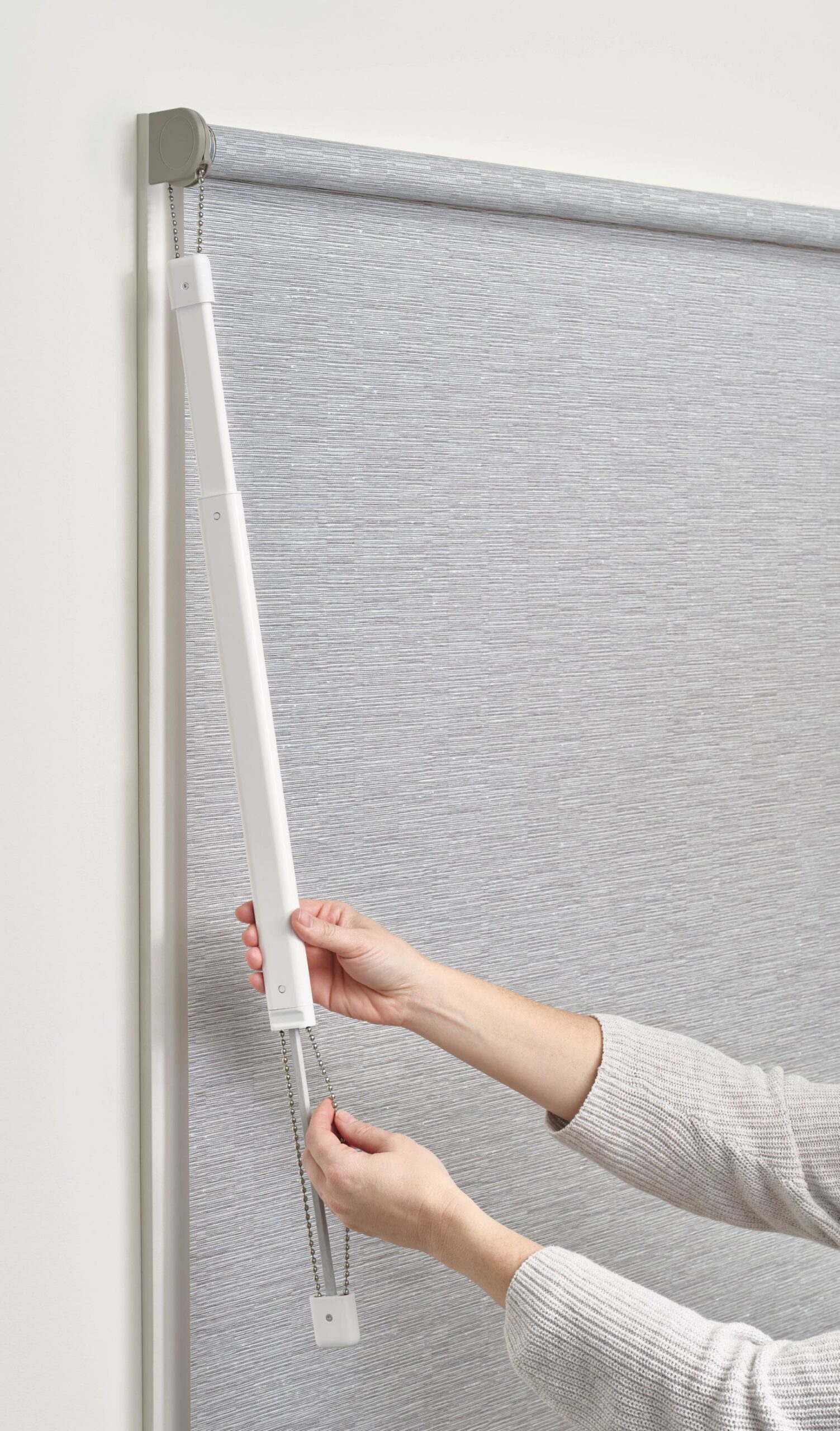
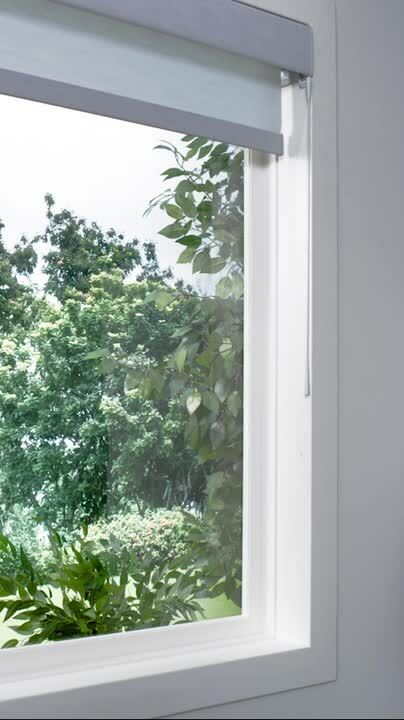
A shroud that covers the chain on a window covering, like a chain guard, is designed to enclose the operating cord or chain loop, making it safer, especially for homes with children and pets. To operate a window covering with a shroud, you usually raise or slide the shroud up to expose the chain or cord, allowing you to raise or lower the blinds or shade. When you’re finished, you lower the shroud back down to cover and secure the cord or chain.
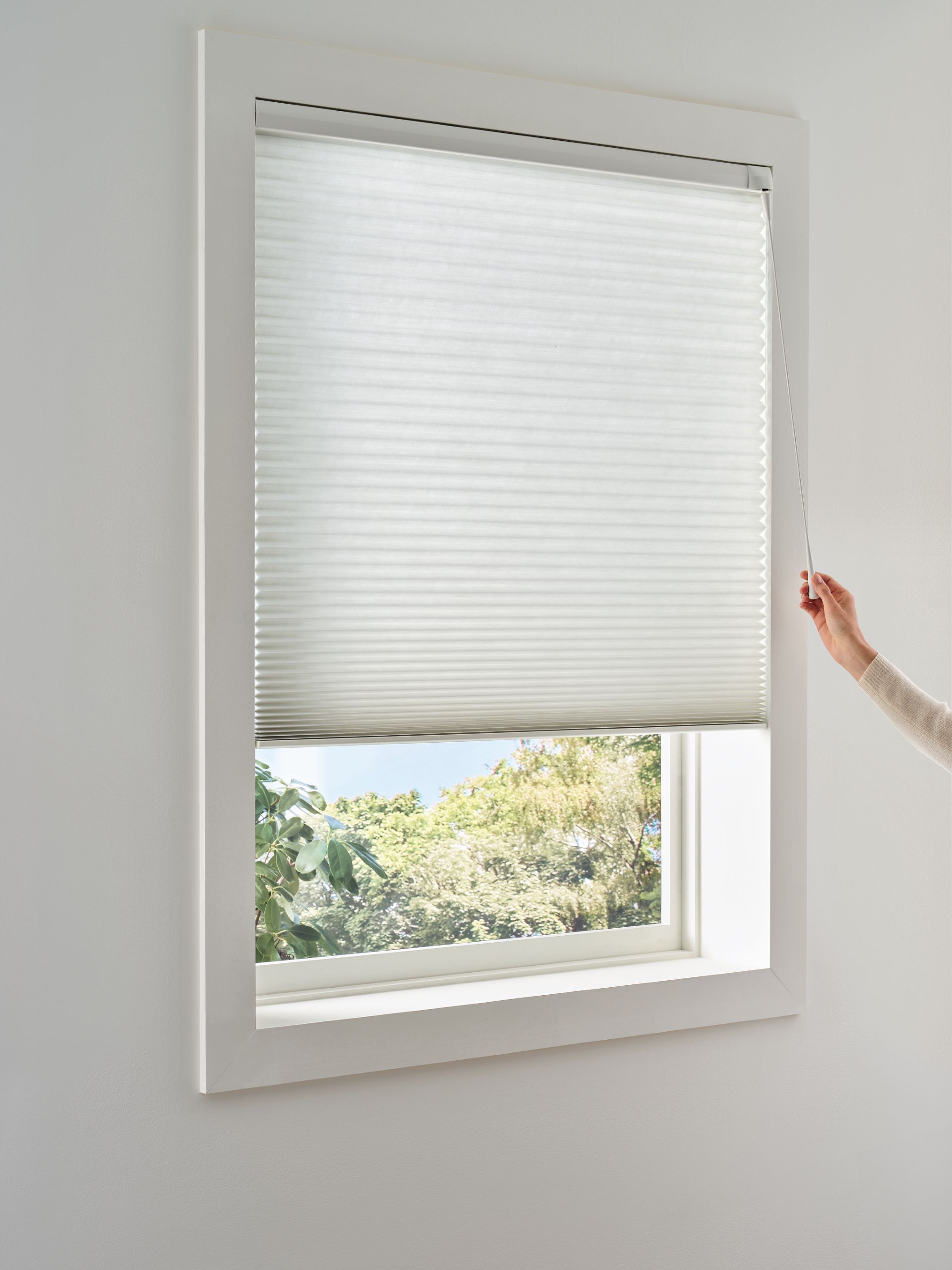
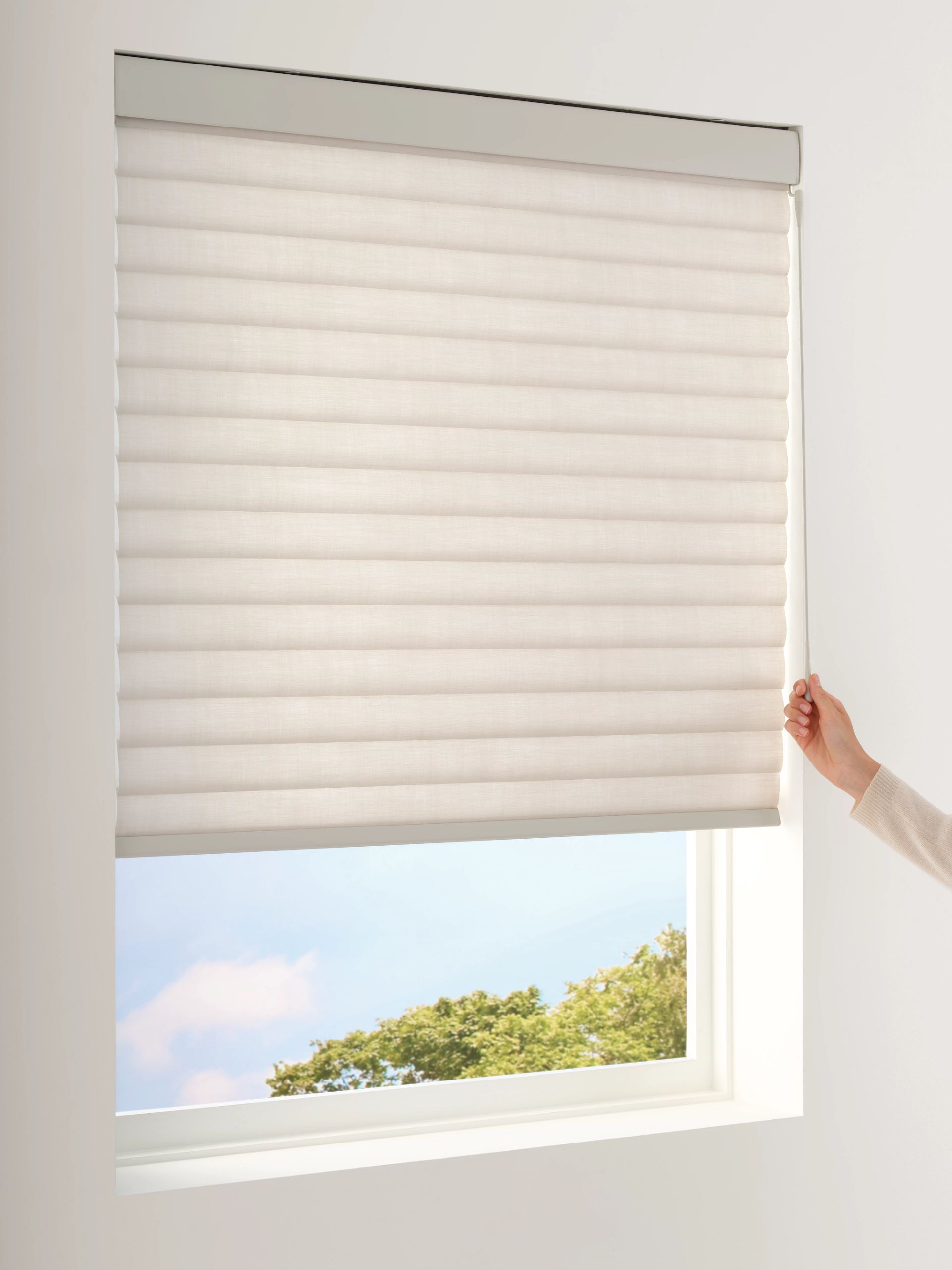
A retractable cord lift system is a cordless operating system for window coverings that uses a retractable cord or wand. To operate, you pull down on the cord or wand to lower the shade and pull up to raise it. The cord remains a consistent length, and the system is considered safer for homes with children or pets.
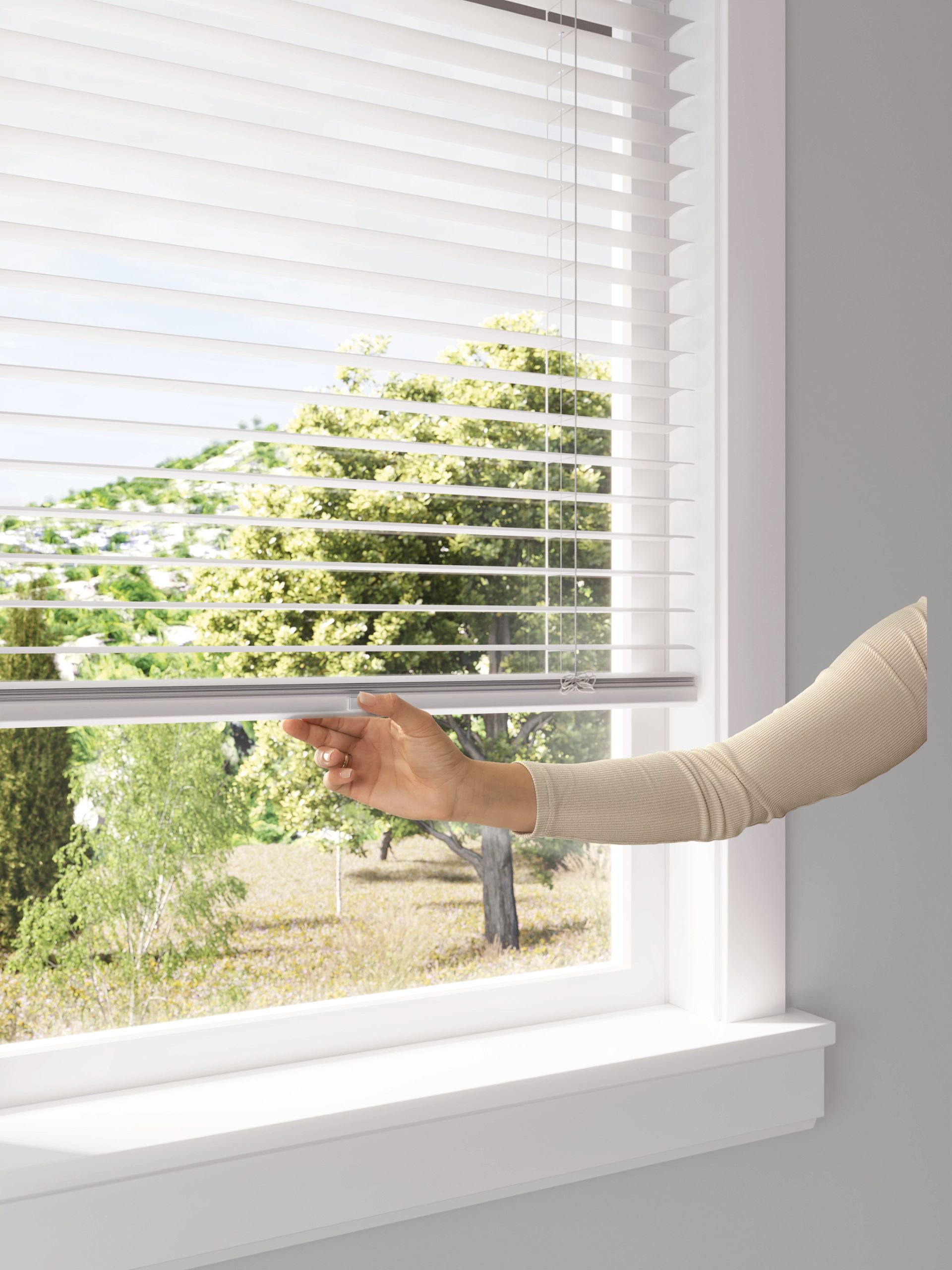
This cordless lift system option is available on some Wood and Faux Wood blinds. It is also used to allow for a top down bottom up option on some Honeycomb shades. It uses a button on the bottom bar which when depressed allows the blind to raise or lower.
In Canada, these blinds and shades will operate with plastic bands through the routed holes to offer enhanced safety for children and pets, by replacing the standard lift cord with a child-safe band.
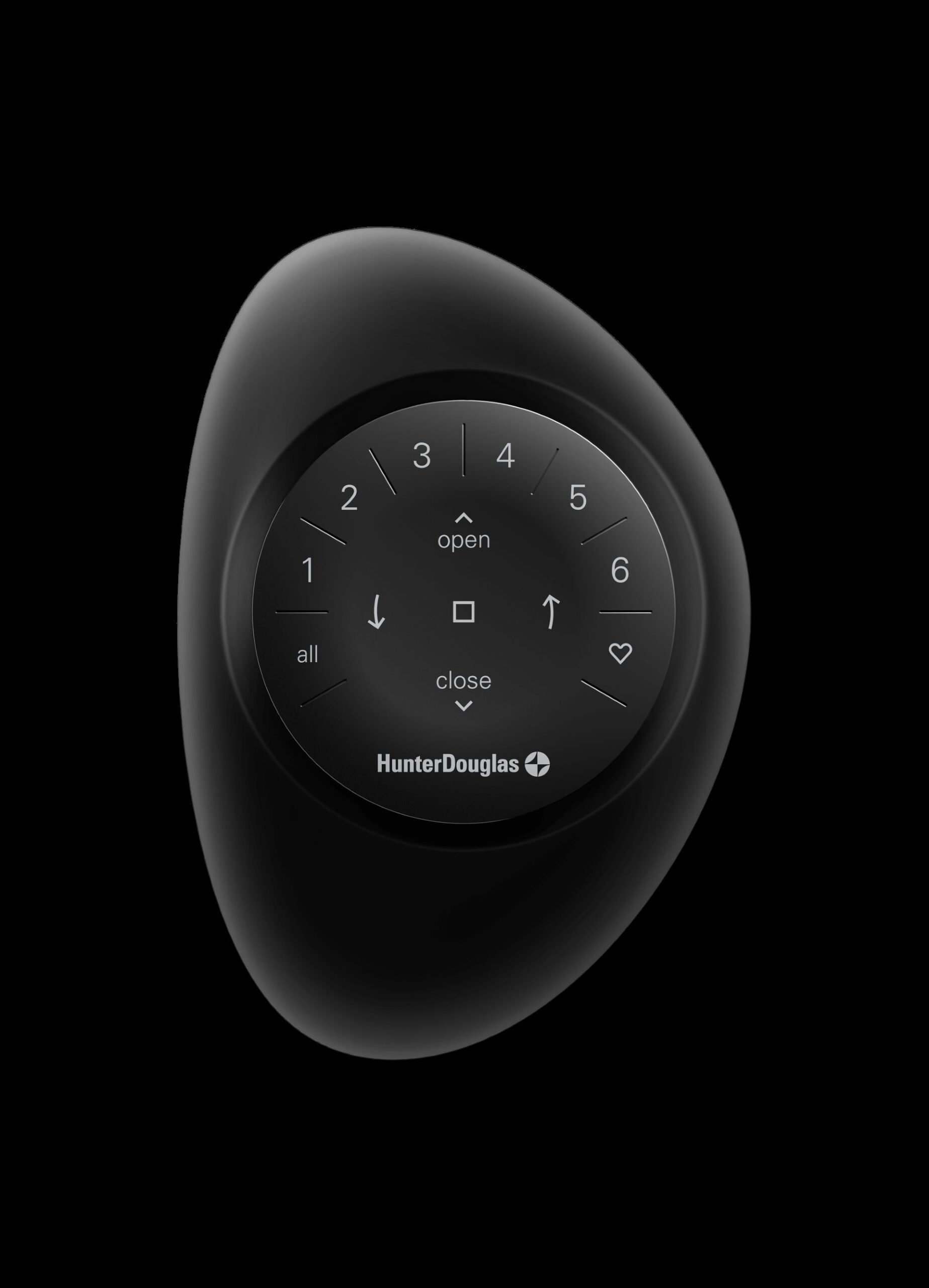
Power wands on window coverings offer a convenient, cordless way to control motorized blinds and shades. They typically feature buttons for up, down, and stop/favorite positions, and some can be programmed for incremental adjustments. The wand sends a electronic signal to a motor within the shade or blind, causing it to move.
Motorization has become a popular choice for homeowners. Once you have decided to choose a motorized blind or shade, you will also need to determine what power source will be the best choice. Battery operated blinds are the most common, both standard or rechargeable batteries are available. Another option is a plug in low voltage transformer. Based on your window covering needs our designers can help determine which power source will work the best for your particular situation.
Homeowners in the building stage have a unique advantage to wire their homes for window coverings, allowing the blinds and shades to run off of low voltage wiring. Wiring the window coverings provides a reliable power supply. You’ll never have to worry about replacing batteries, as hardwired blinds draw power directly from your home’s electrical system.
Blinds are Beautiful is known for our expertise in wiring for window coverings. We work with well established brands such as Lutron and Hunter Douglas who provide quiet, top quality motorized products. We can guide you through the process and work with your electrician to the projects completion. Call us or visit our showroom for more information.
Battery-wands
Image 1 of 4
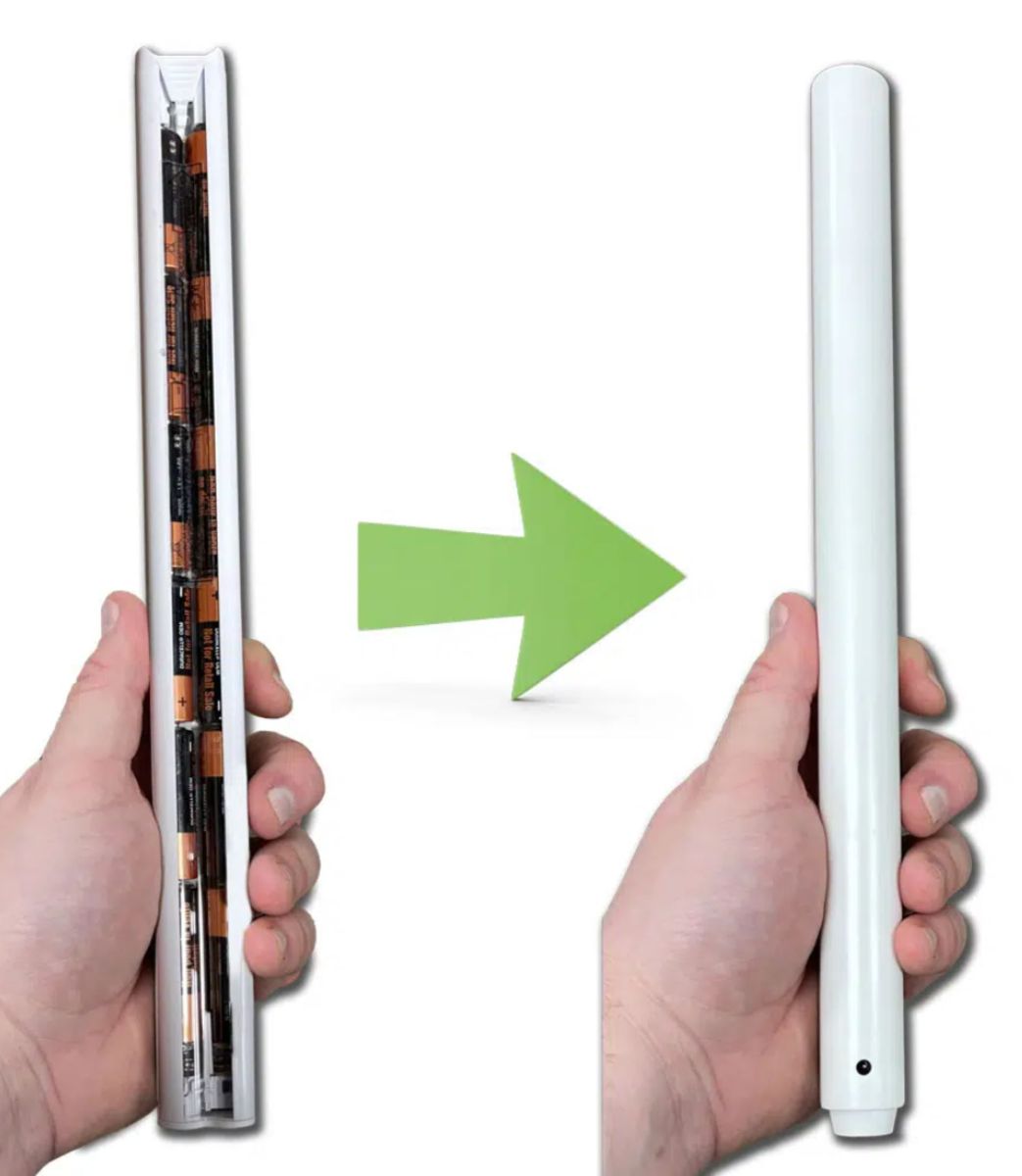
Standard battery wands use lithium batteries. A more environmentally friendly option is a rechargeable battery wand. In both cases the battery wand is generally attached to the back of the shade headrail. If the window is accessible the wand can be easily removed to either replace the batteries or charge the wand when necessary. Choosing rechargeable batteries offer the additional options of continuous solar charging and the selection of an internal battery on some window covering products.
The pleat style you choose for your custom draperies significantly impacts the over all look and feel of your window treatments and the room.
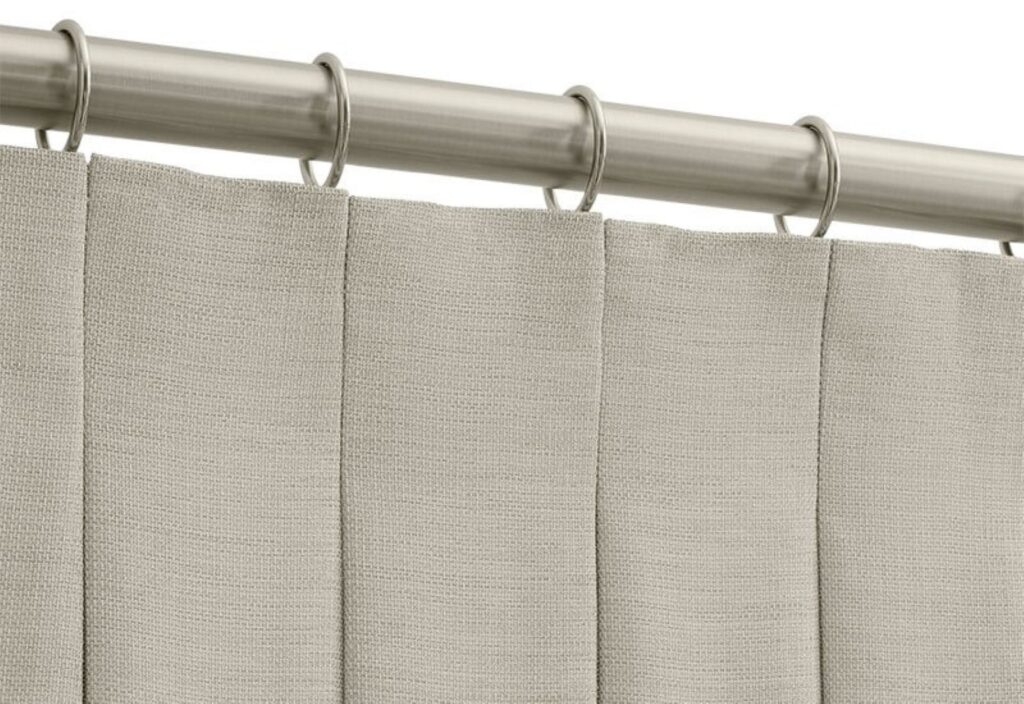
Pinch Pleats
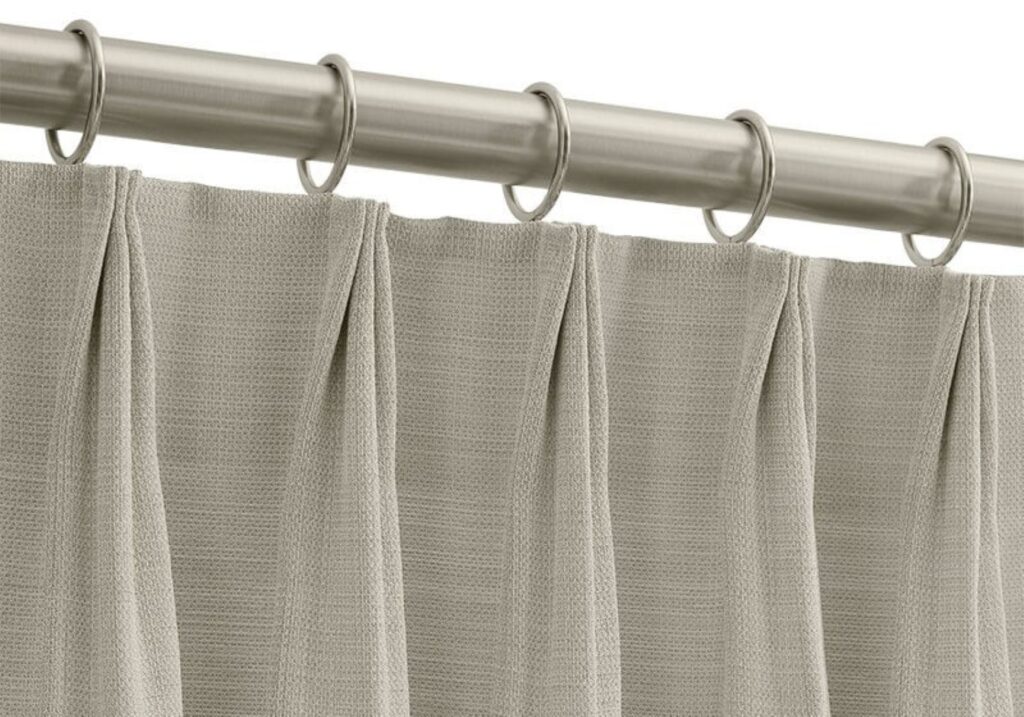
Pleats are spaced evenly across the panel and “pinched” at either 4″ or 6″ below the top depending on the length of your panel (this can also be customized!). A good rule of thumb: longer panel, larger pinch. The pleats create fullness and ensure you have uniform folds. You can choose a double or a triple pinch.
Style: Classic, traditional (but still feels contemporary)
Also known as: Two-finger pleats, three-finger pleats, French pleats Note: Some very thick fabrics cannot be pinched, but we can help advise.
Top Pinch Pleats
Pleats are spaced evenly across the panel and “pinched” at the top, allowing the pleat to flare out. The pleats create fullness and ensure you have uniform folds. You can choose a double or a triple top pinch.
Style: Tailored, traditional
Also known as: Euro pleats, fan pleats Note: Some very thick fabrics cannot be pinched, but we can help advise.
Inverted Pleats
The inverted pleat allows you to create fullness with the pleats but has a more streamlined look. The pleats are stitched in the back giving you a flat-faced front.
Style: Modern, contemporary
Also known as: Box pleats
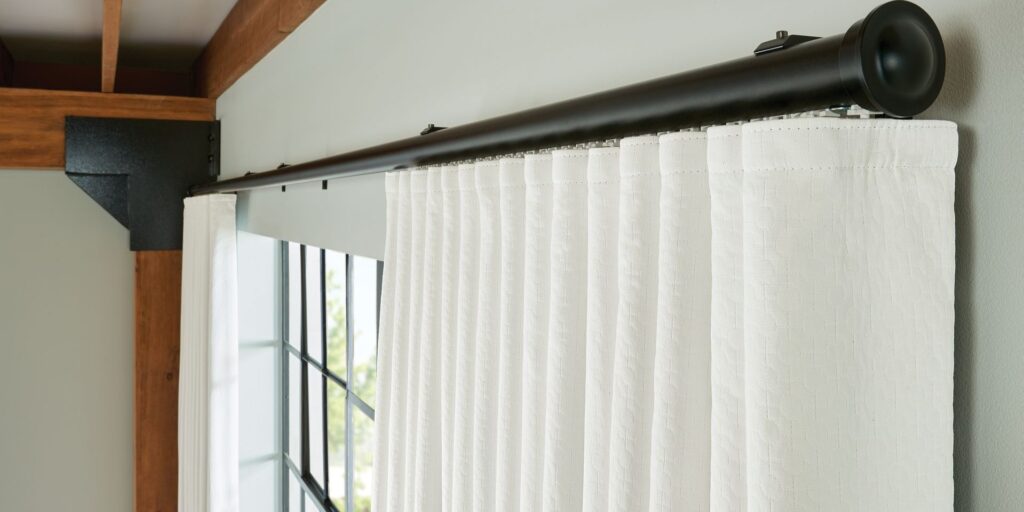
Ripplefold
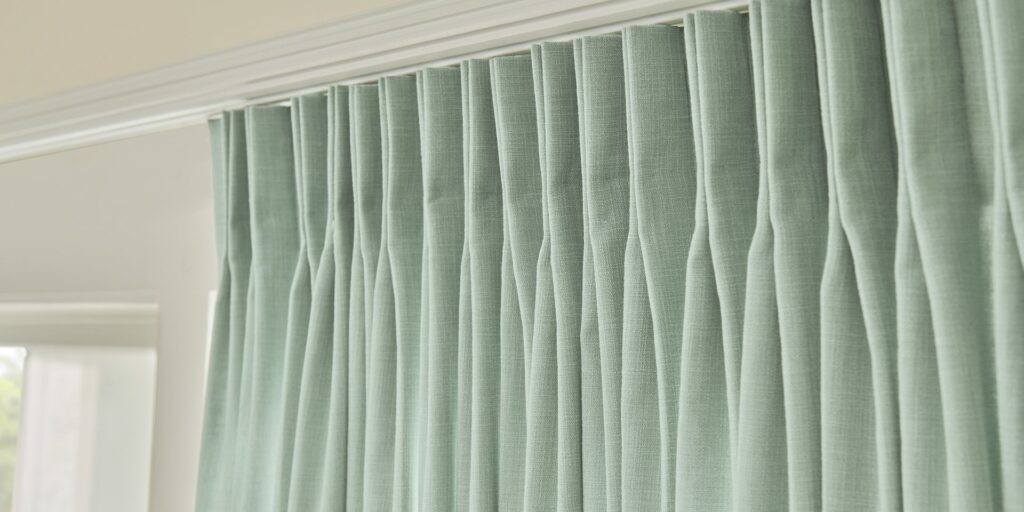
The ripplefold is a popular style that is well-loved by architects and designers. It has a signature “S” fold. The top is constructed with a snap tape that attaches to a track. This allows for a very smooth glide. The hardware is very minimal allowing the eye to focus on the fabric. It is often considered when drapes are tucked into a recessed ceiling, completely eliminating the view of the hardware.
Style: Minimal, sleek, hotel-chic
Also known as: S fold Note: Ripplefold panels require specialty hardware.
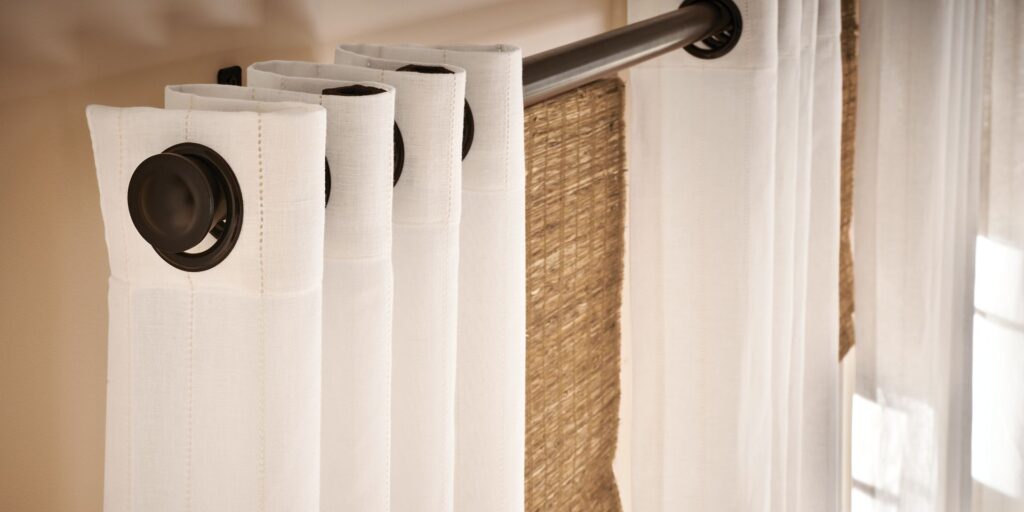
Grommets
You can opt for grommets instead of traditional drapery rings giving you a lofty look. The volume and drape will be similar to a flat panel.
Style: Casual, industrial
Note: Your panels will extend above the drapery pole. That space will need to be considered when installing the rod height.
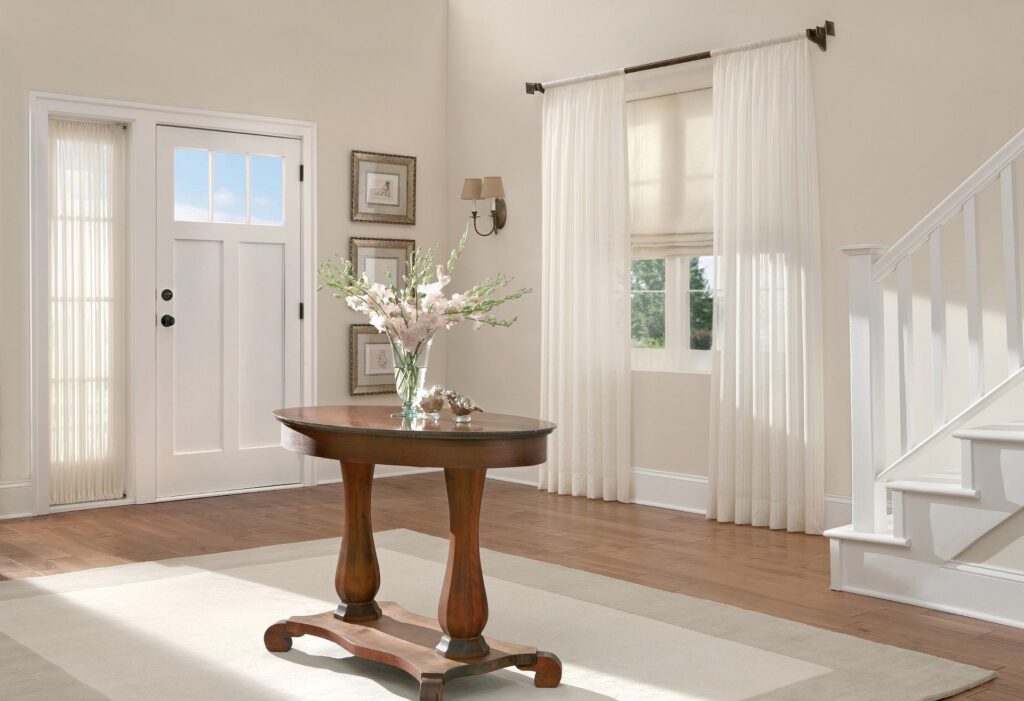
Pole Pocket
This is a very budget-friendly option because there is no need for rings or drapery hooks. A pocket is simply sewn into the header allowing you to slide the panel over the rod. It will organically create folds and gathers. We like this style for shorter café curtains. If you plan on opening and closing your drapes often, we do not recommend this style as the panels will not glide as easily across the rod as other top styles. It is recommended for panels that will be stationary most of the time.
Style: Casual, simple
Note: To remove the panel, you will need to remove the rod from the brackets.
Enjoy your outdoor space more with the right window treatments for sliding glass doors. Ease and convenience will let you have access to your patio while maintaining control of the inside of your home.
Covering patio doors with blinds can be challenging due to the large size and sliding mechanism of these doors, which can interfere with the operation of traditional blinds. Additionally, the placement of door handles and the desire to maintain unobstructed access to the door can further complicate the process.
Our experienced Design Consultants will help you find the right window treatment while making sure it is the perfect fit for your space.
Verticals
Image 1 of 19
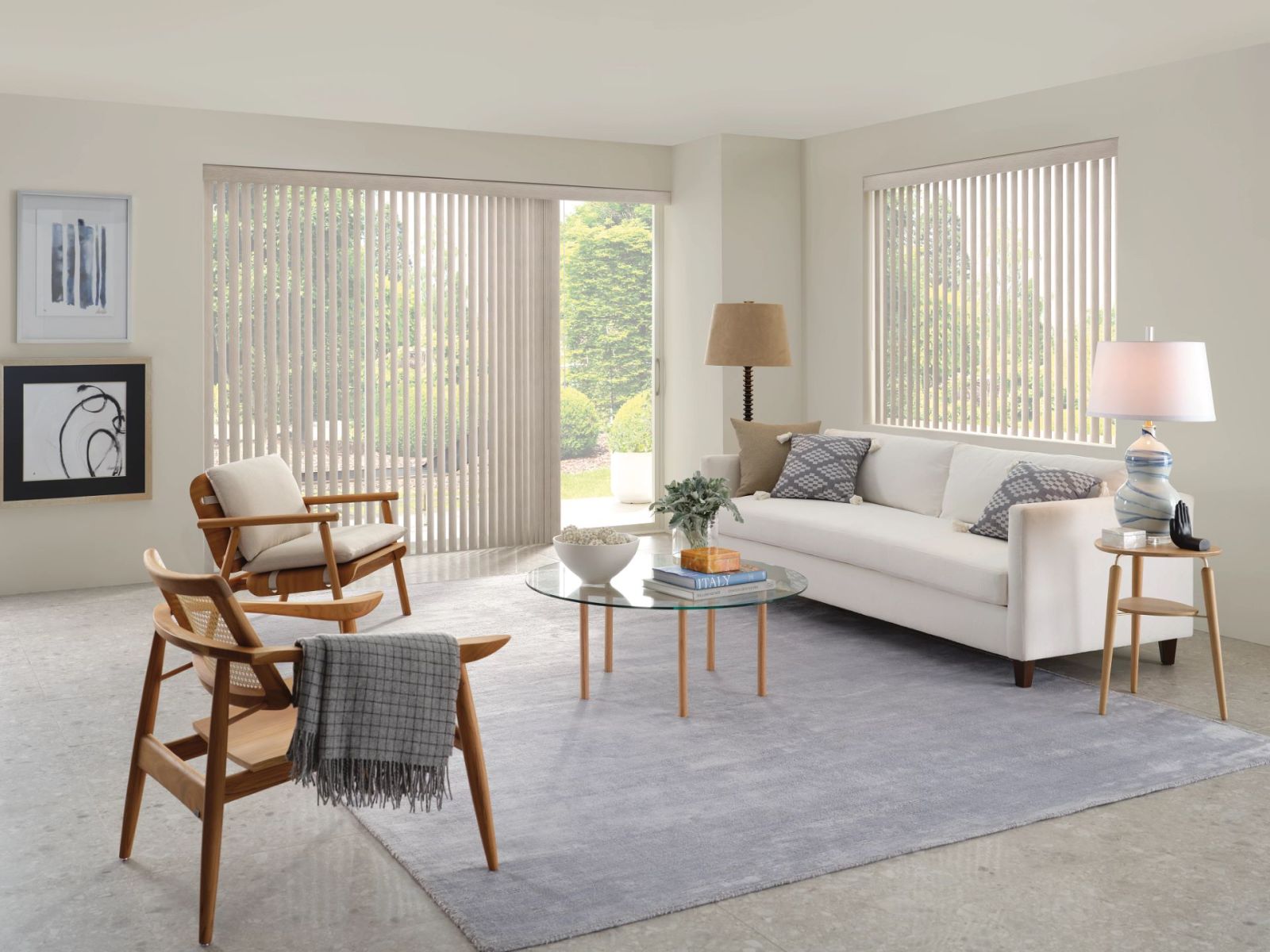
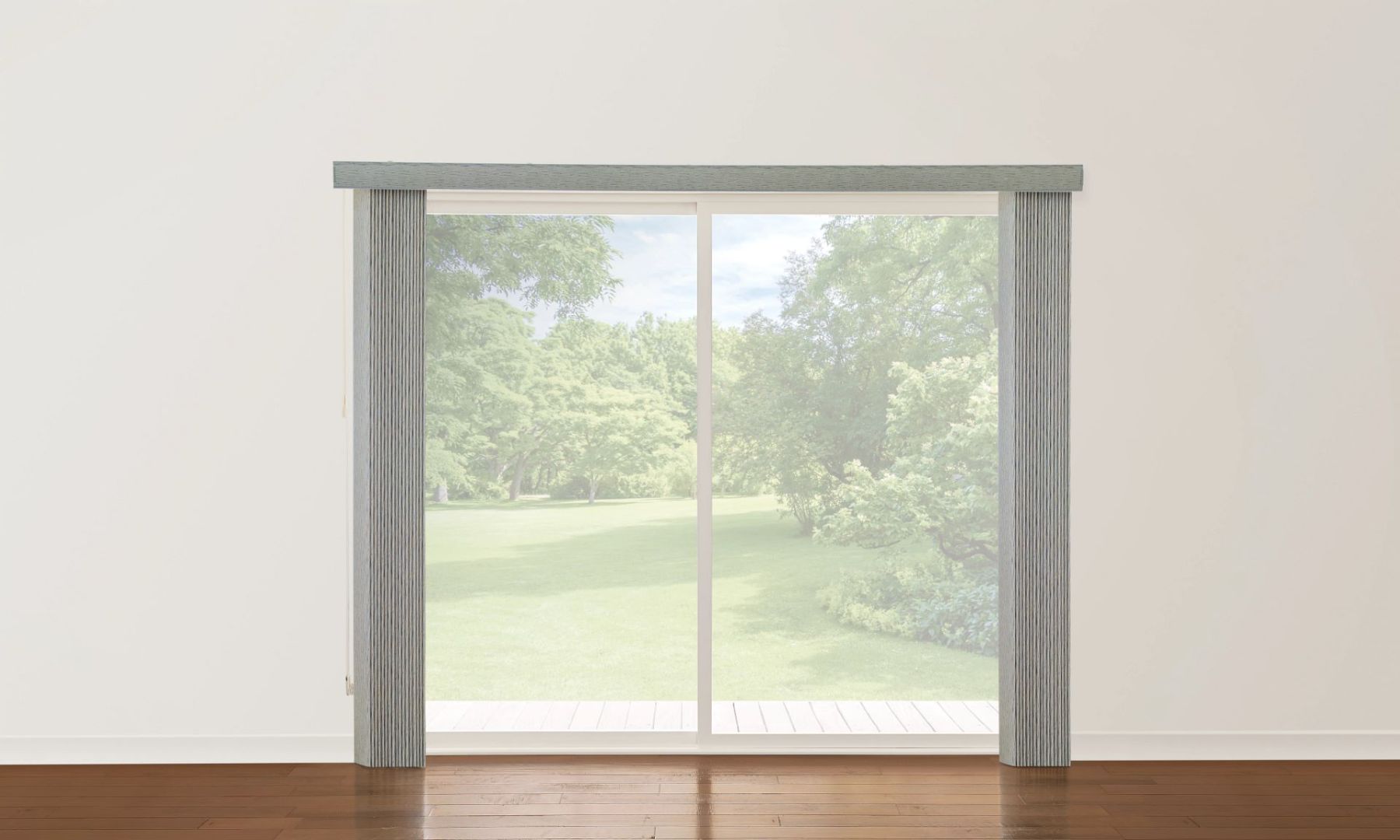
Vertical blinds are still a popular choice for sliding patio doors due to their functionality, ease of use and the ability to control light and privacy effectively. When custom ordering verticals, you can select from various stacking options.
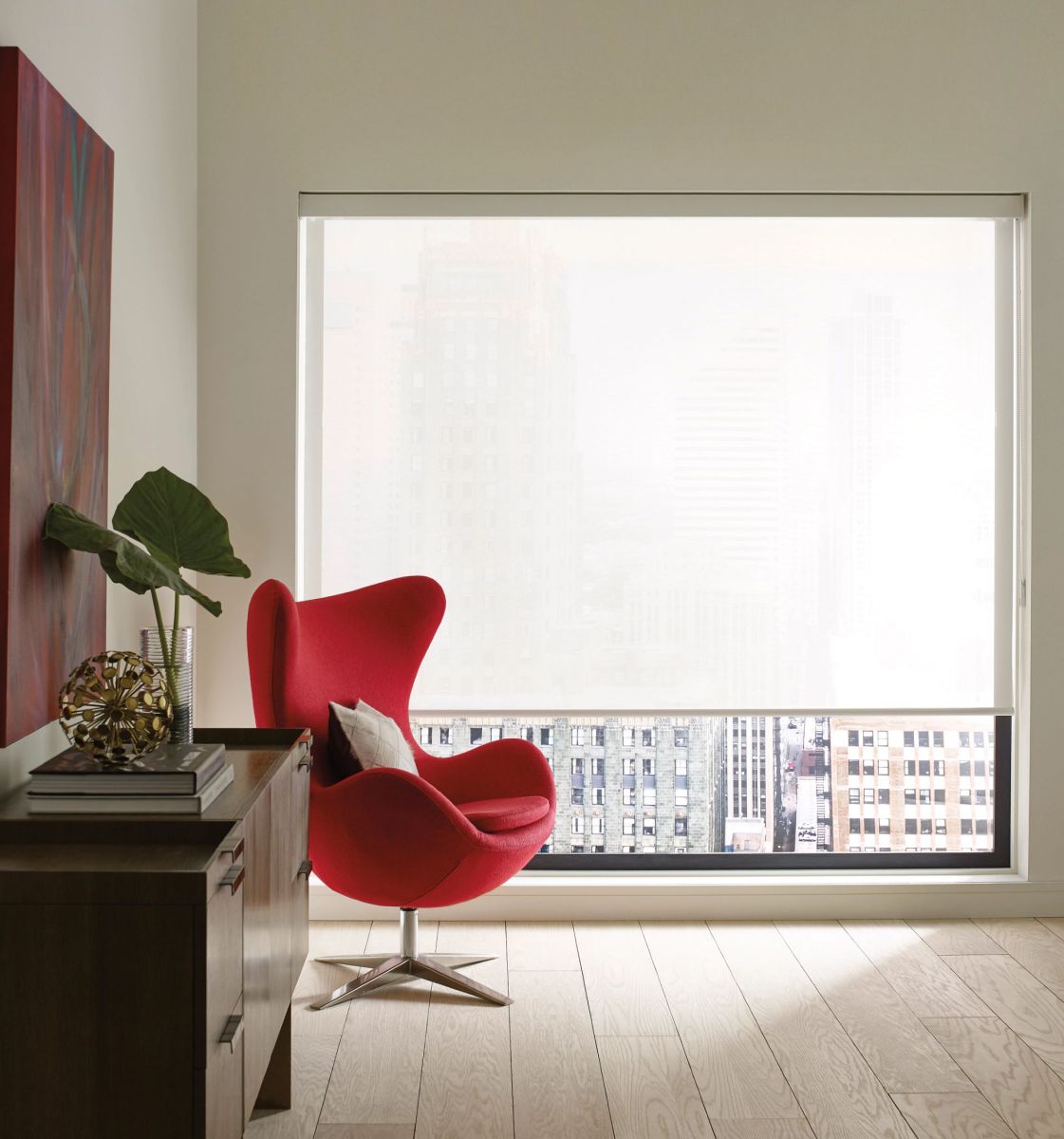
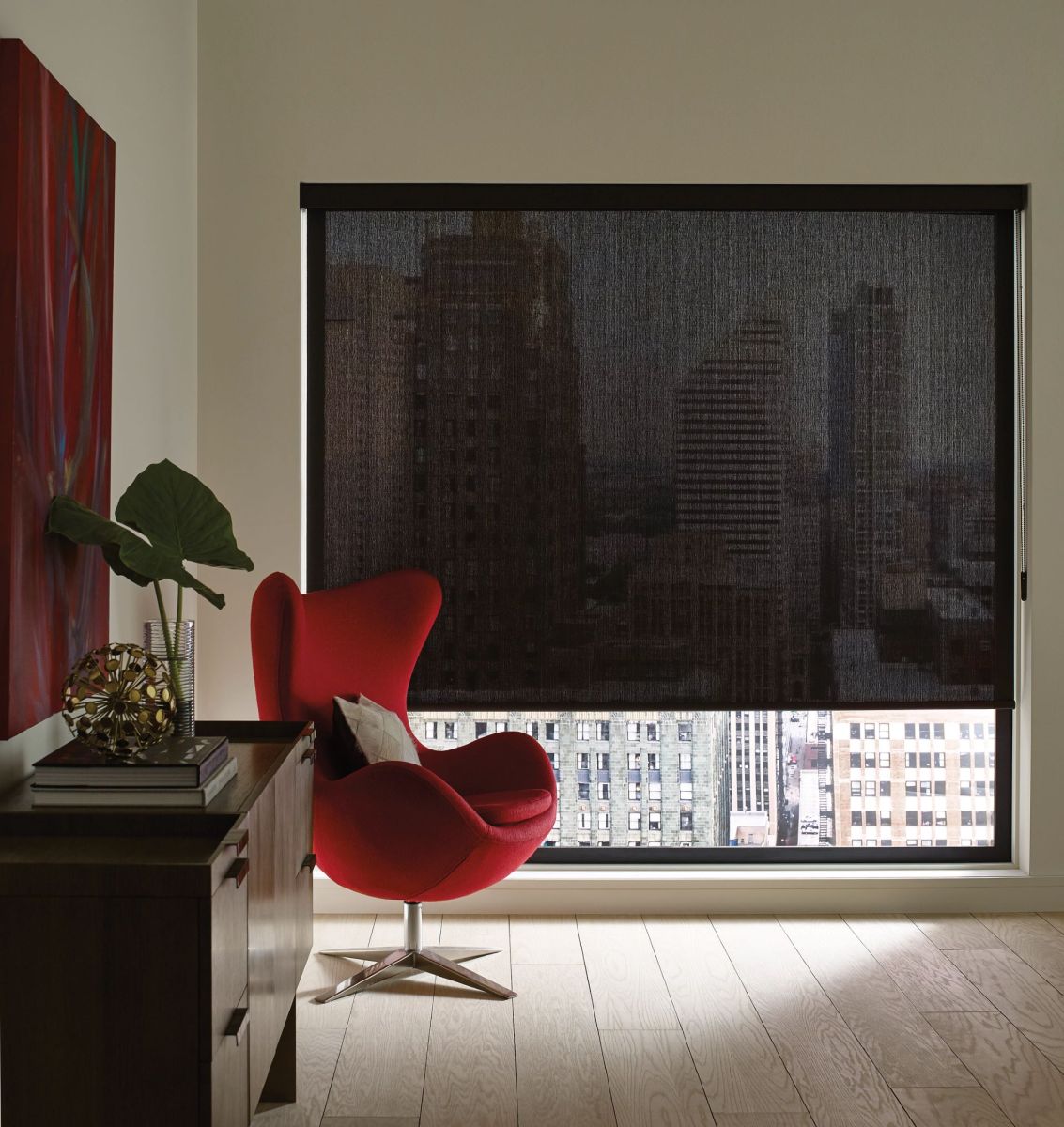
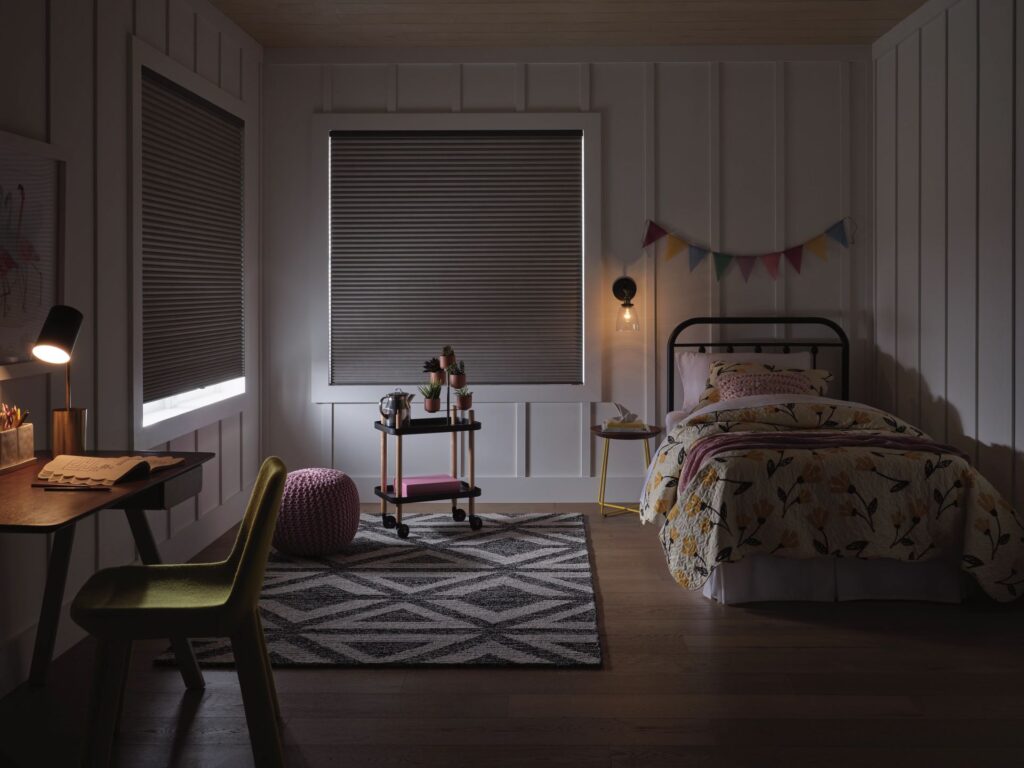
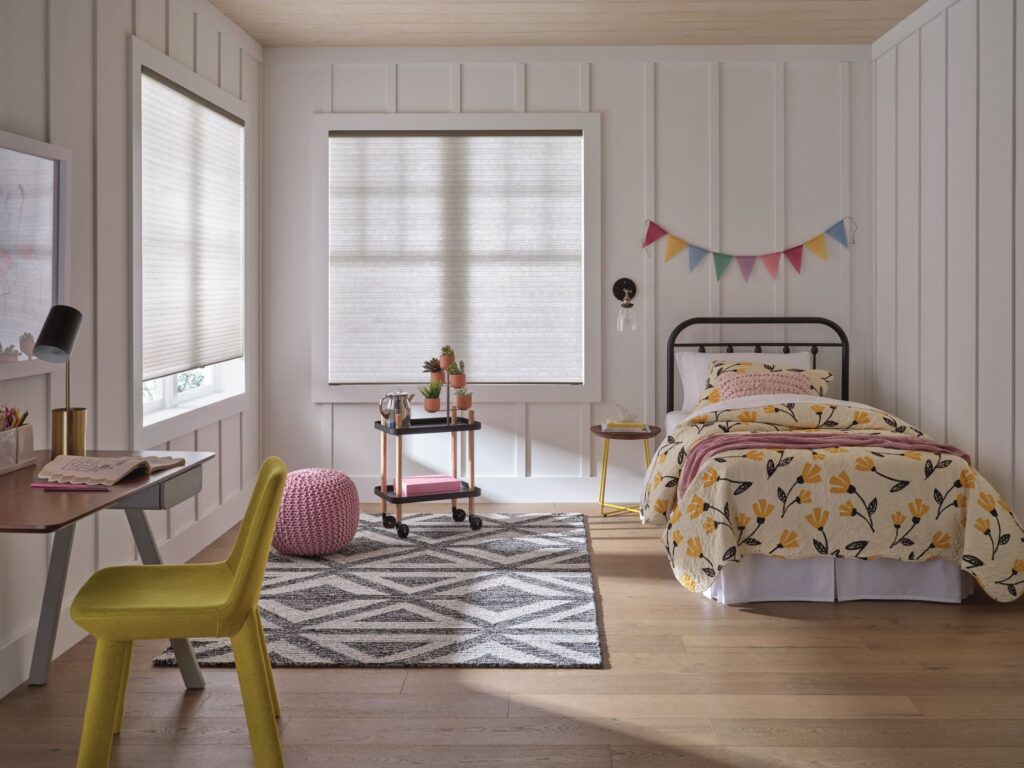
The openness factor of blinds refers to the density of the weave in the fabric, typically expressed as a percentage. It indicates how much light and visibility is allowed through the blind. A lower openness percentage means a tighter weave, blocking more light and offering more privacy, while a higher percentage indicates a looser weave, allowing more light and visibility.
1% Openness Factor
Image 1 of 4
1% Openness Factor
Image 1 of 4
Understanding Opacity
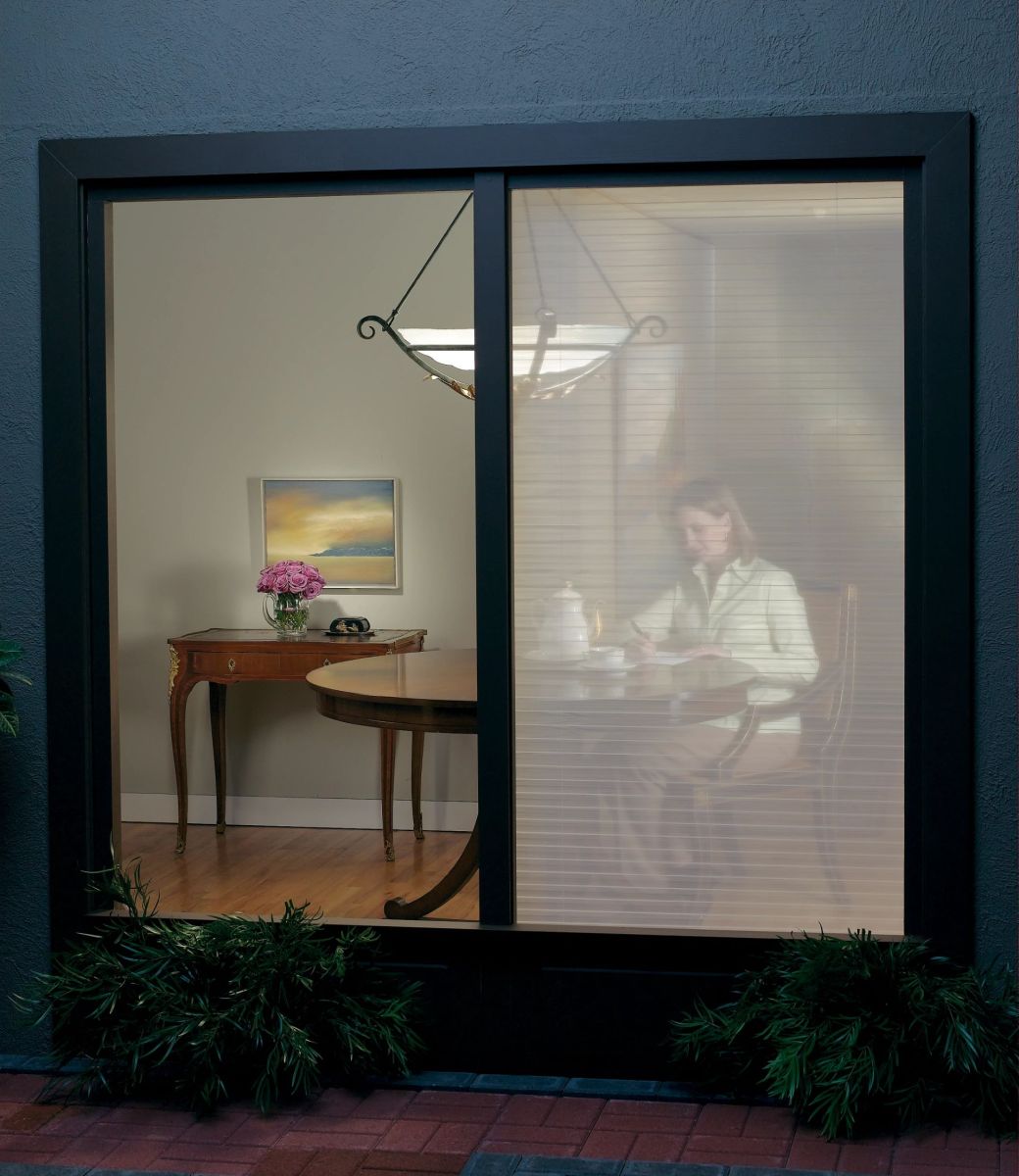
Opacity refers to the amount of light that passes through a fabric.Sheer fabrics allow for the most light to enter a room, but they offer the least amount of privacy. On the other end of the spectrum, blackout fabrics block nearly all light from entering a room, and they provide the most privacy
People prioritize privacy from window coverings in the evening primarily for safety and security, as well as to improve sleep quality and maintain personal boundaries. At night, when interior lights are on, window coverings help prevent outsiders from seeing inside. The opacity of the fabric on your window will determine how much coverage you receive. Take a look at what various opacities look like from the outside into the home, in the photos below.
Opacity refers to the amount of light that passes through a fabric.Sheer fabrics allow for the most light to enter a room, but they offer the least amount of privacy. On the other end of the spectrum, blackout fabrics block nearly all light from entering a room, and they provide the most privacy
People prioritize privacy from window coverings in the evening primarily for safety and security, as well as to improve sleep quality and maintain personal boundaries. At night, when interior lights are on, window coverings help prevent outsiders from seeing inside. The opacity of the fabric on your window will determine how much coverage you receive. Take a look at what various opacities look like from the outside into the home, in the photos below.
Motorized window coverings offer convenience, enhanced privacy and security, energy efficiency, and child safety, making them a popular choice for modern homes. They eliminate the need for cords, allowing for smooth and quiet operation, and can be easily controlled with a remote control or wall switch. Motorization is an excellent choice for windows that are difficult to reach because of their height or location.